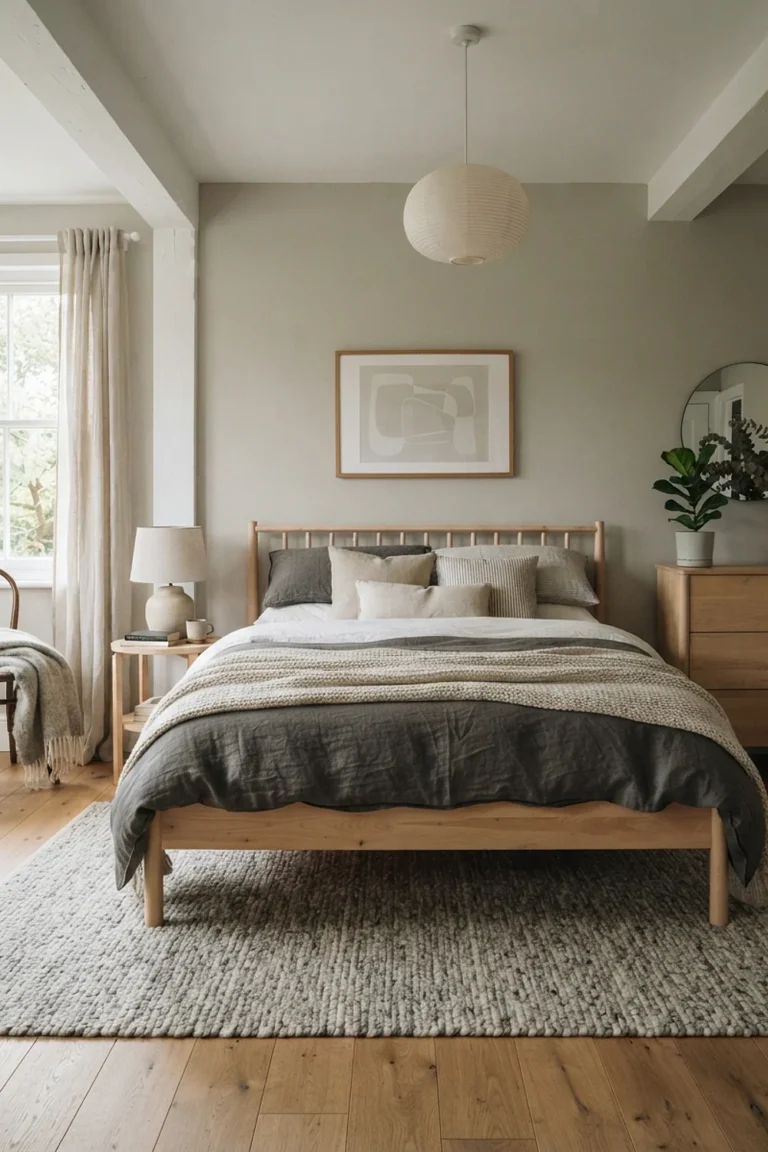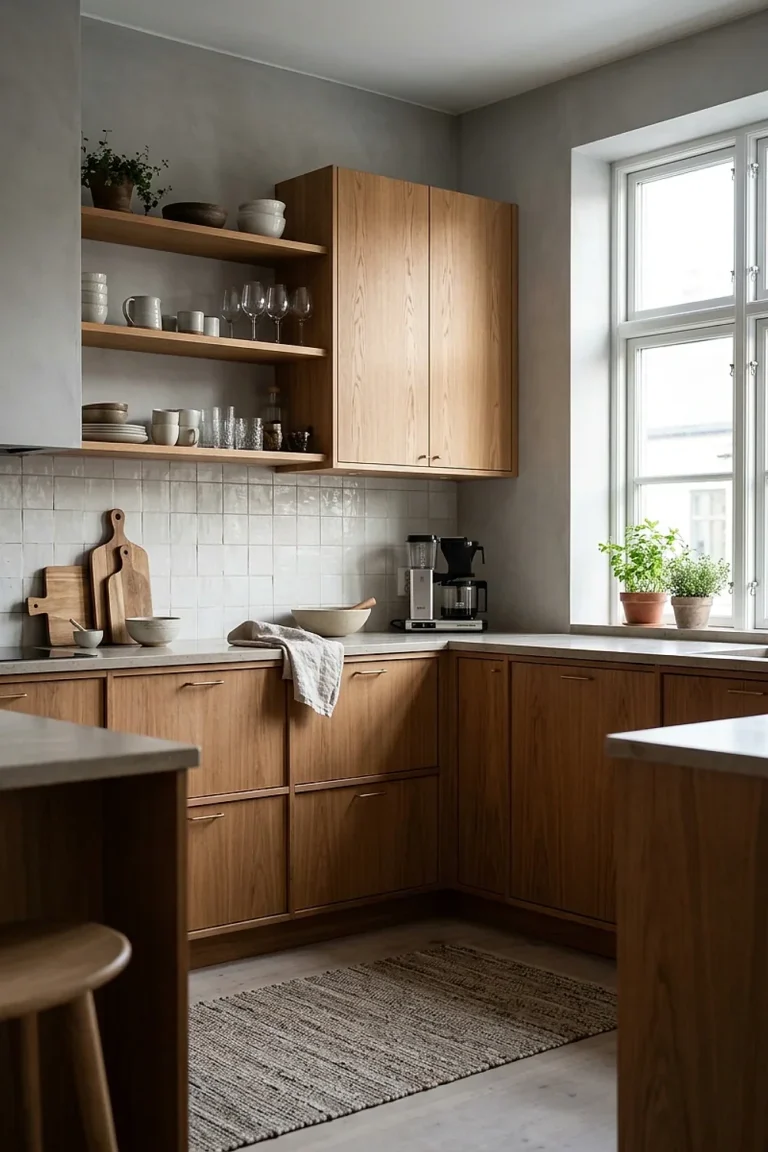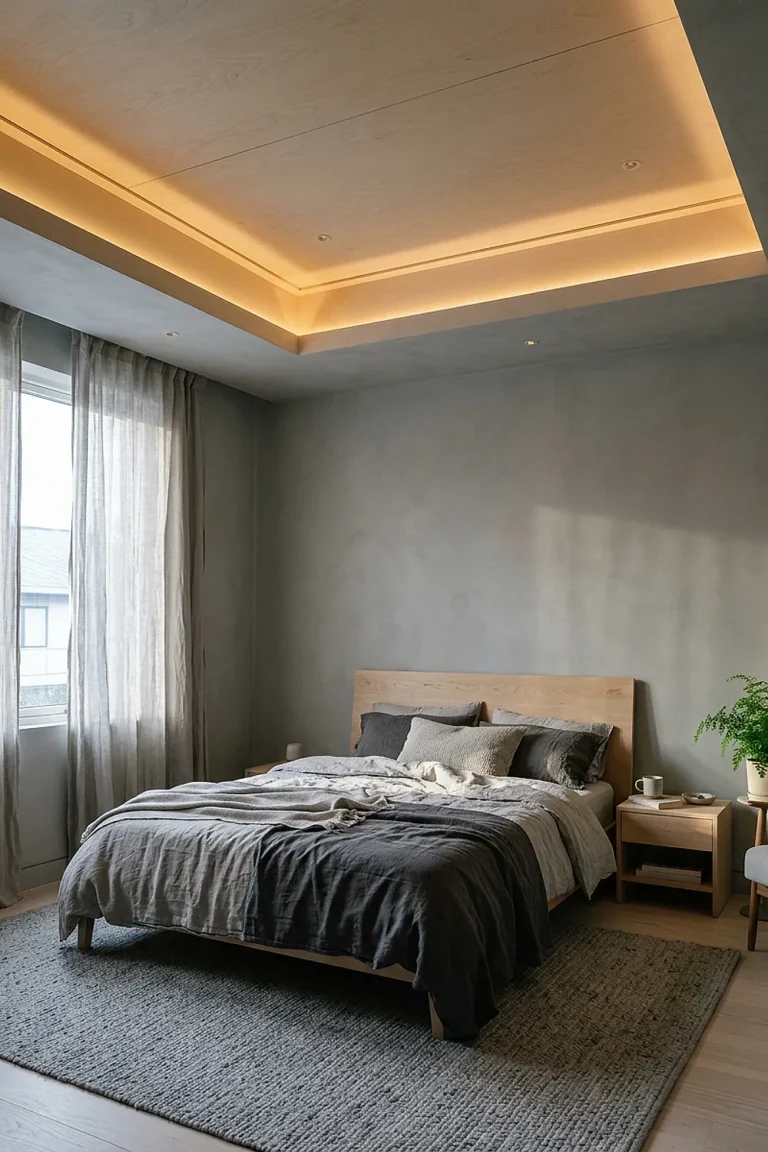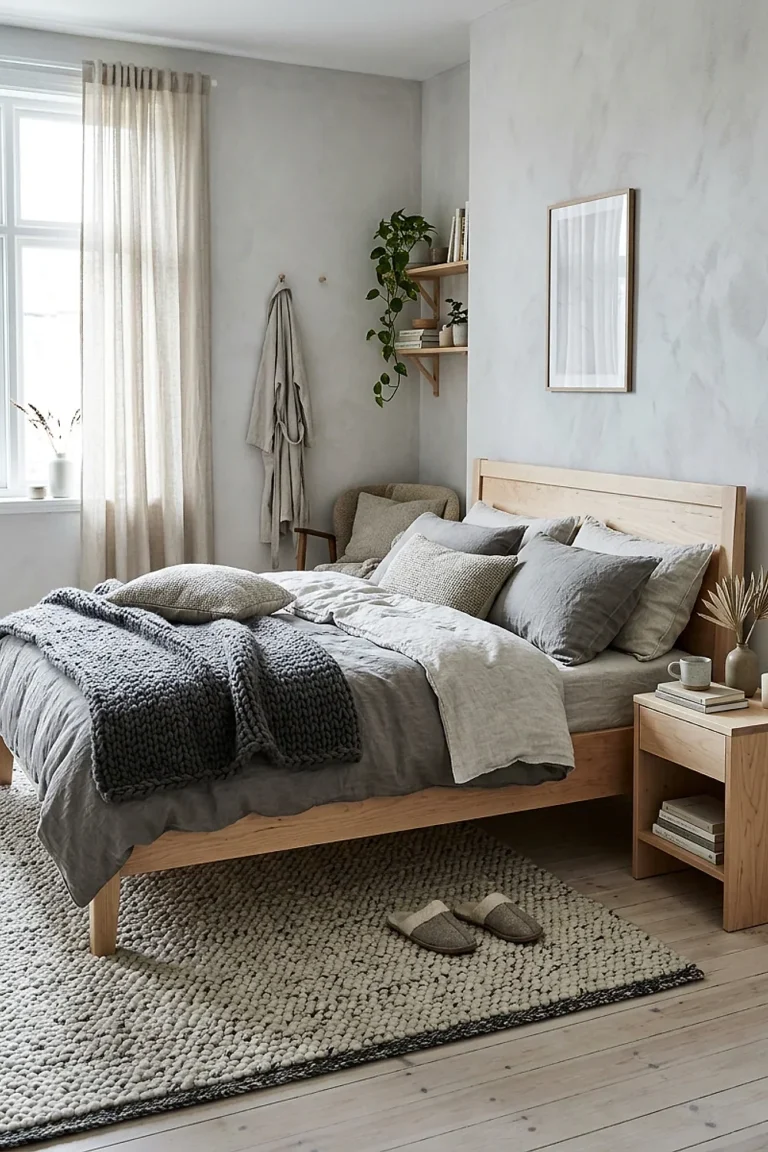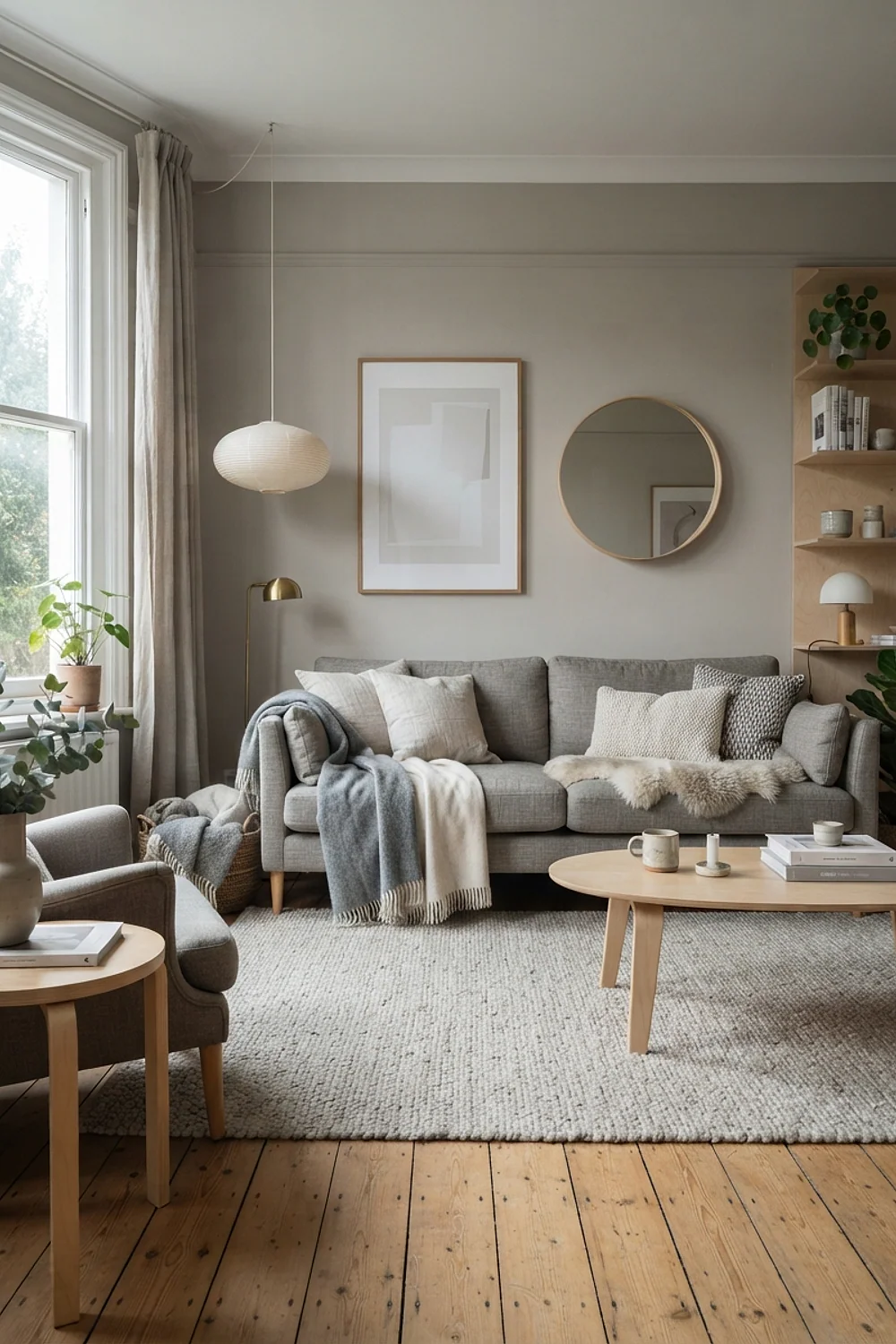
18 Elegant Living Room Decor Ideas You Can Undo
Late-afternoon light slides across a boucle chair and a linen curtain, and the room goes quiet in a way no single purchase can explain. That hush is the real goal of elegant living room decor: fewer pieces, better scaled, under soft light, in materials you want to touch.
Every pick below is a product type with real dimensions, a trade-off, and a clear verdict on who should buy it. Most can be moved, returned, or peeled off, which is the safest way to find out what your room likes.
How these elegant living room decor picks were chosen
Elegant living room decor comes down to four things: calm color, correct scale, layered light, and natural texture. Any piece that failed all four of those tests got cut.
Reversibility counted heavily. Freestanding, plug-in, and peel-off options beat anything that needs a stud finder, because a room is easier to judge after a gray November week than on installation day.
1. An 8×10 wool rug under the front legs of the furniture
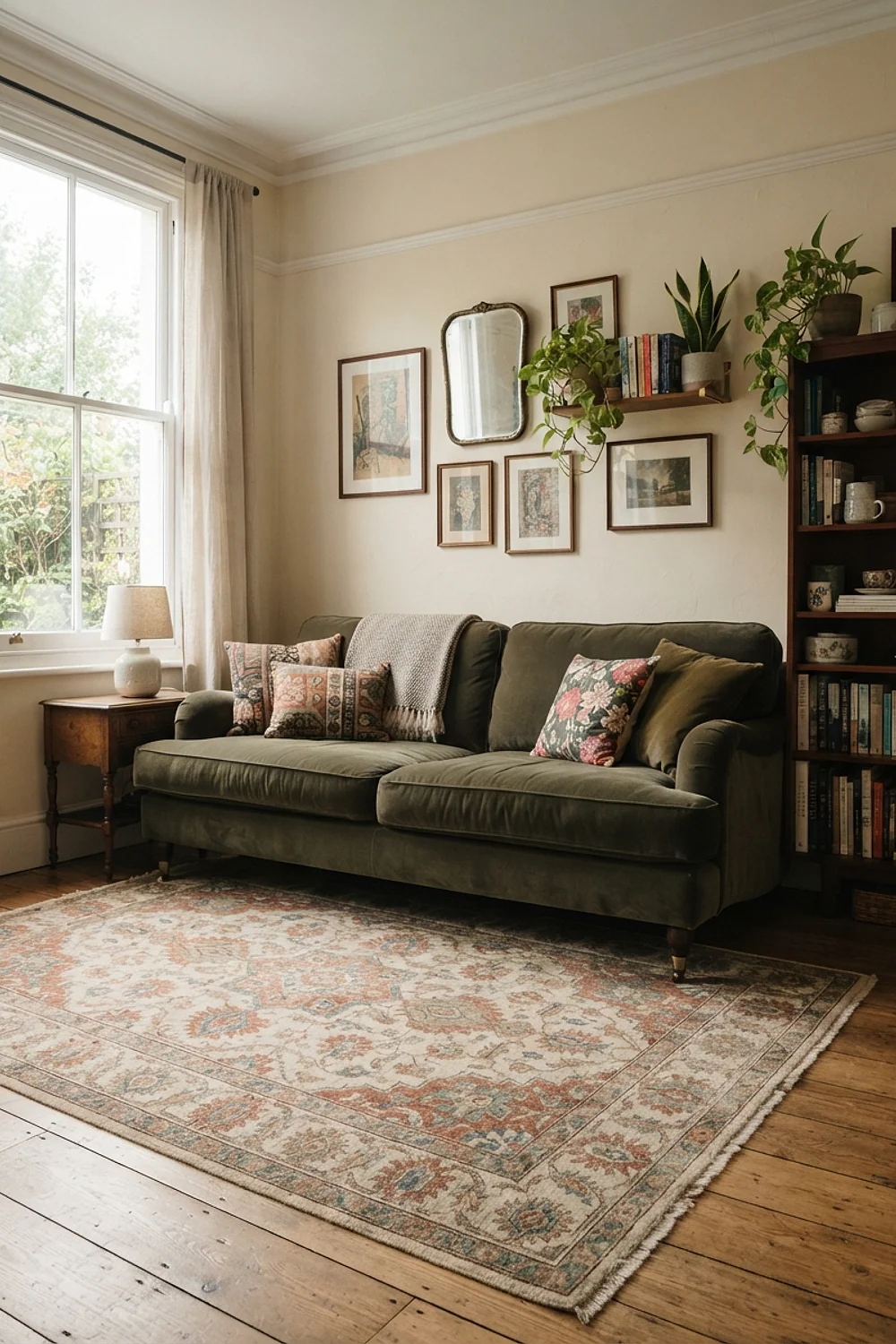
An 8×10 wool rug with the front legs of the sofa and chairs resting on it makes a seating area look planned. The rug draws an island, and a defined island looks deliberate even when the furniture is mismatched.
Flat-woven or low-pile wool in oatmeal or stone runs roughly $400-$900 at that size. The common mistake is a 5×8 rug floating in the middle like a doormat, which shrinks everything around it. A 1/4-inch felt-and-rubber pad keeps it from creeping.
2. A warm white wall color, tested on peel-and-stick samples
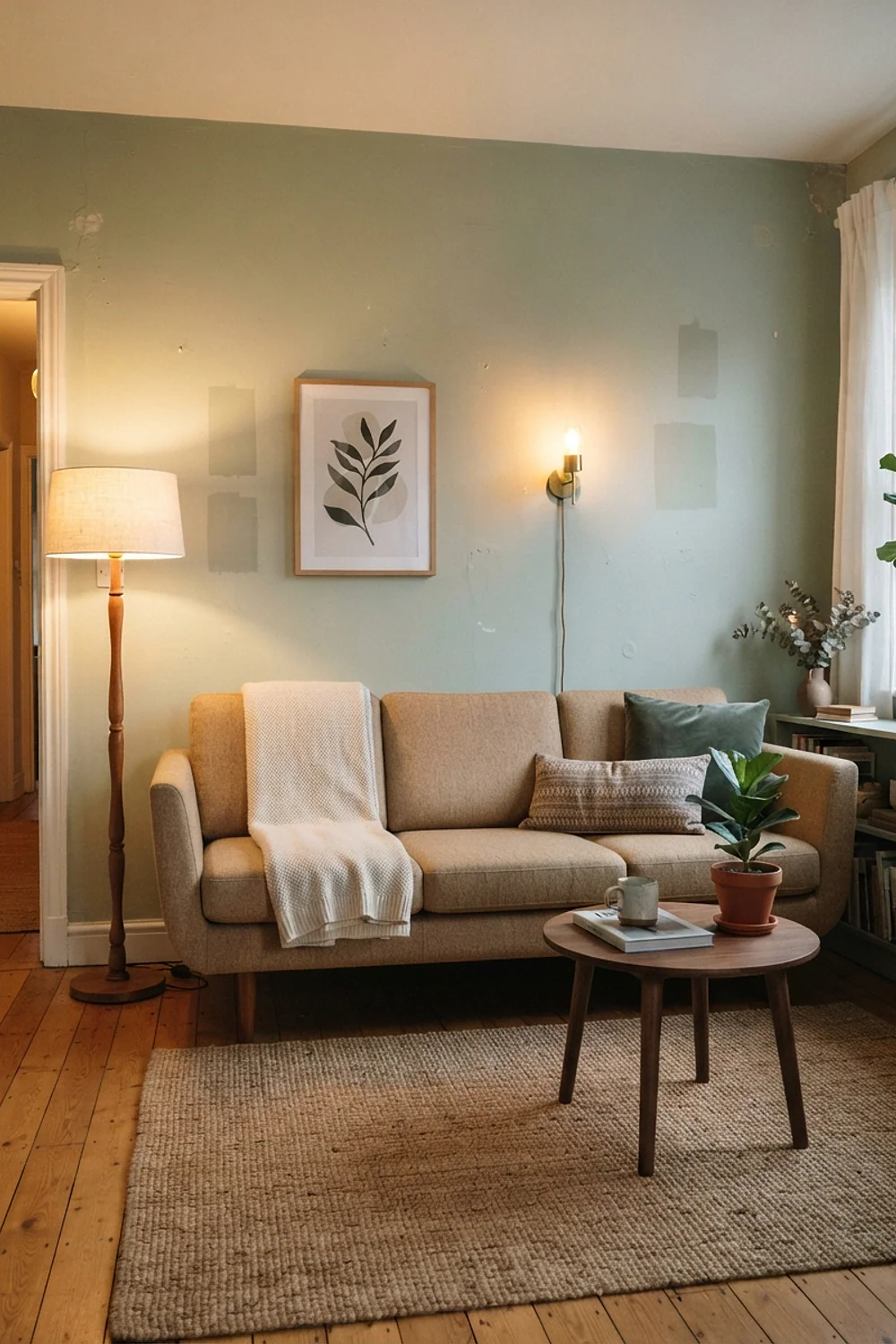
A warm white such as Sherwin-Williams Alabaster reflects light without the clinical blue cast of builder white. Here’s the counterintuitive part: a white with a trace of beige often looks cleaner at 4pm than a “pure” white, because pure whites pick up the color of whatever sits nearby.
North-facing rooms benefit most, since they need the warmth. Stick a 2×2 foot sample on each wall and check it at 9am, 4pm, and under lamplight before committing a gallon.
3. Floor-length linen curtain panels hung high and wide
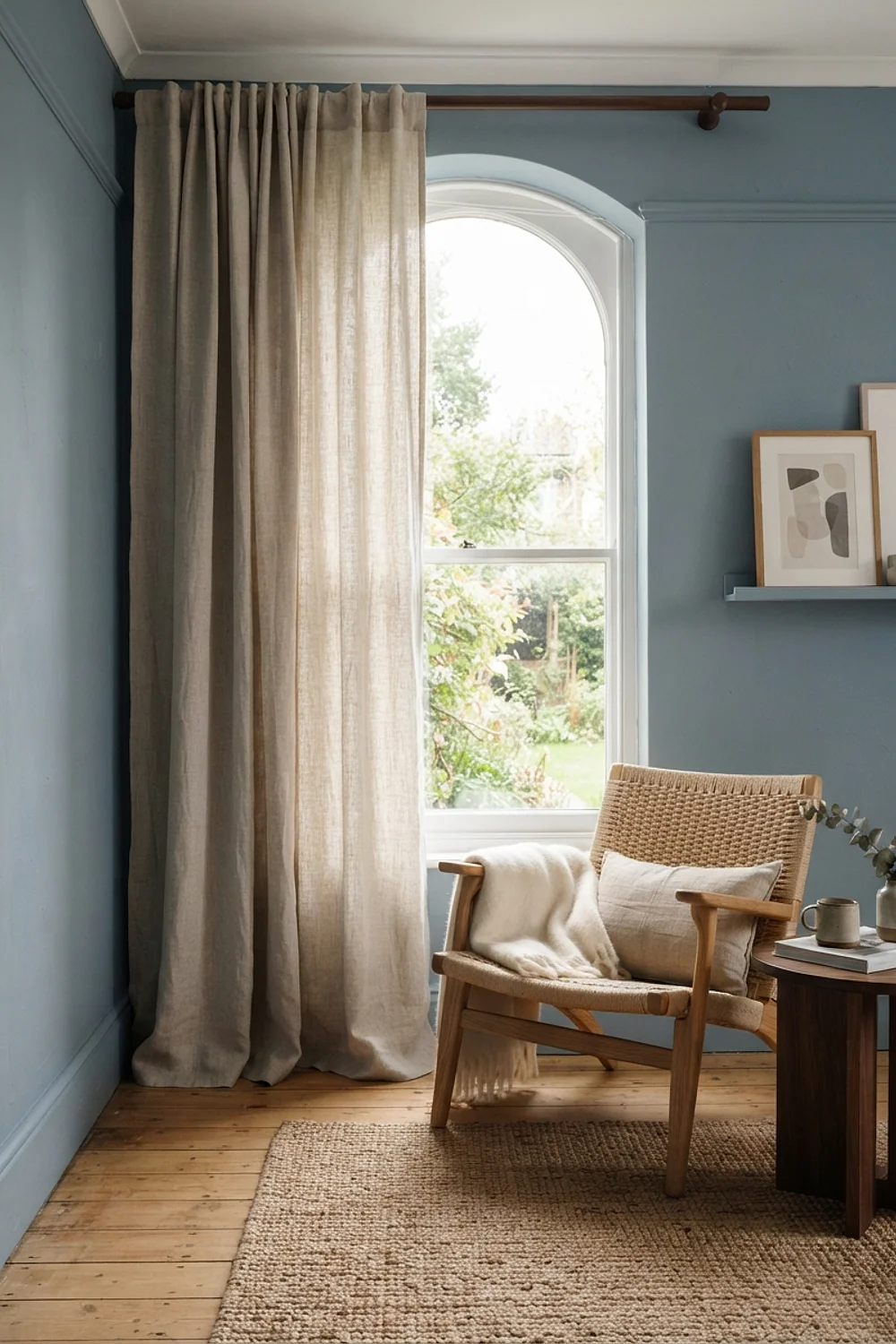
Floor-length linen-blend panels hung 4-6 inches above the window frame make a ceiling read taller and soften glare into a glow. Linen falls in loose, uneven folds that polyester can’t copy, and polyester tends to shine under lamps.
Buy panels with a combined width of about twice the window, or they hang flat like banners. Let the hem skim the floor by half an inch. A tension rod and clip rings keep the whole setup rental-safe.
4. A pair of ceramic table lamps, 26-30 inches tall
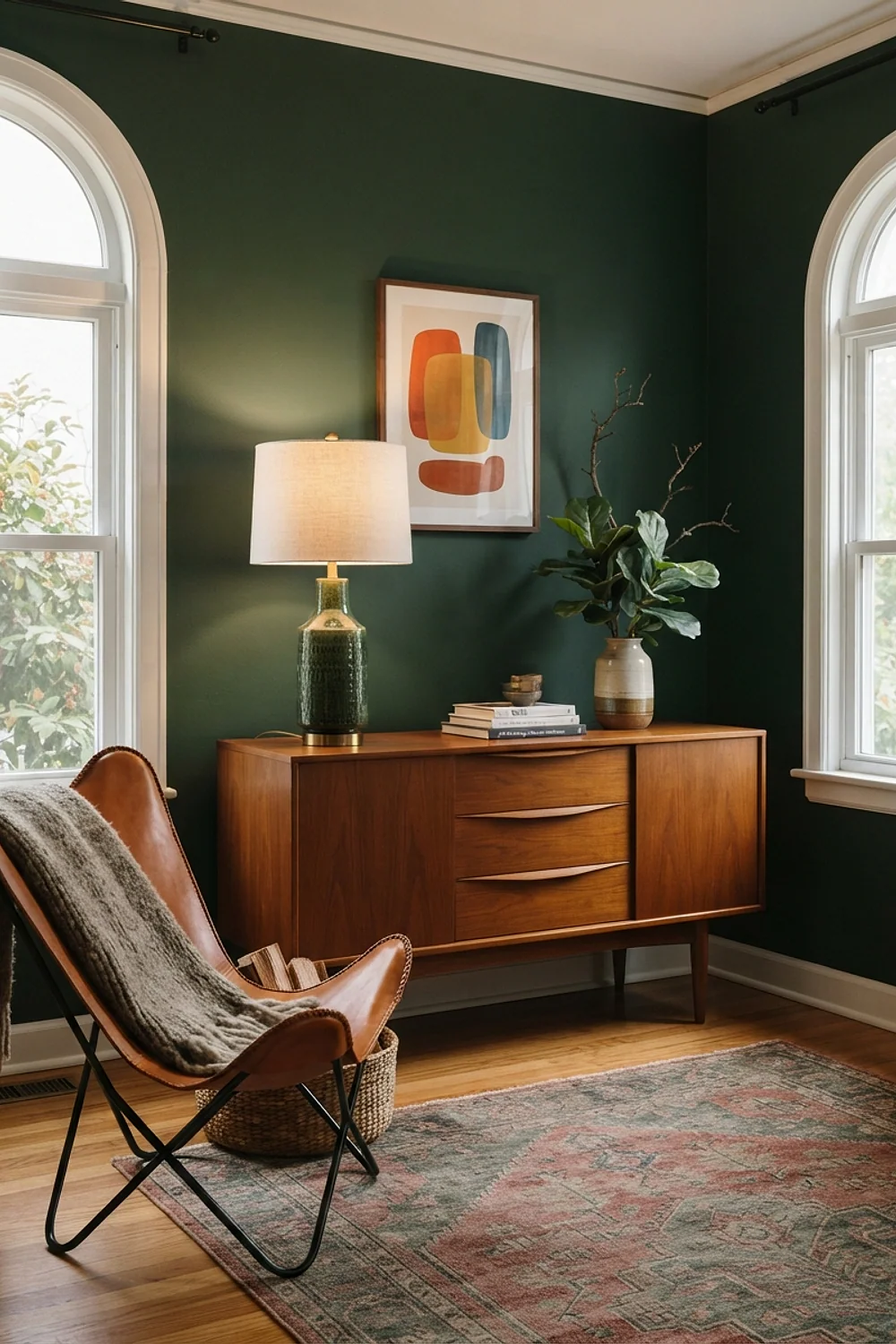
Two ceramic table lamps on either side of the sofa put light at seated eye level, where a ceiling fixture never reaches. Look for 26-30 inch height, a linen drum shade, and a 2700K bulb for that amber, candle-adjacent glow. Expect $60-$150 per lamp.
The shade should be no wider than the widest part of the base. This pair suits any room with outlets near the seating, and a lamp that costs less than its shade is a decent sign you’re paying for the wrong thing.
5. Cushion covers in two sizes and three textures
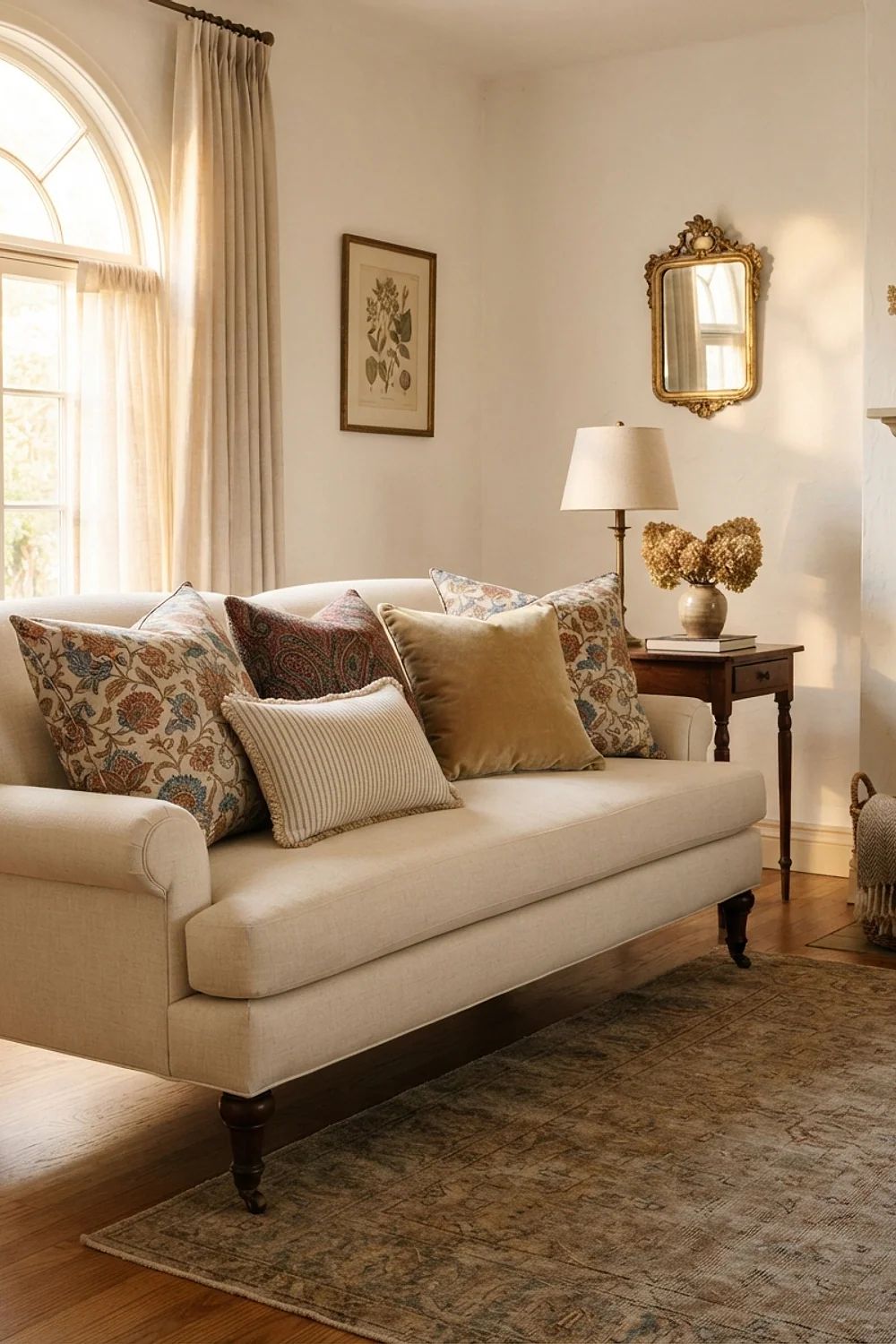
Mix 22-inch and 18-inch cushion covers, then play nubby boucle against a velvet that shows a darker shade when you brush it the wrong way. The contrast is what reads as layered, not the number of cushions.
Buy inserts 2 inches larger than the cover so the corners fill out. A sofa under 80 inches wide handles four cushions at most. Past that, they pile up and nobody can sit down.
6. A round coffee table, 16-18 inches tall
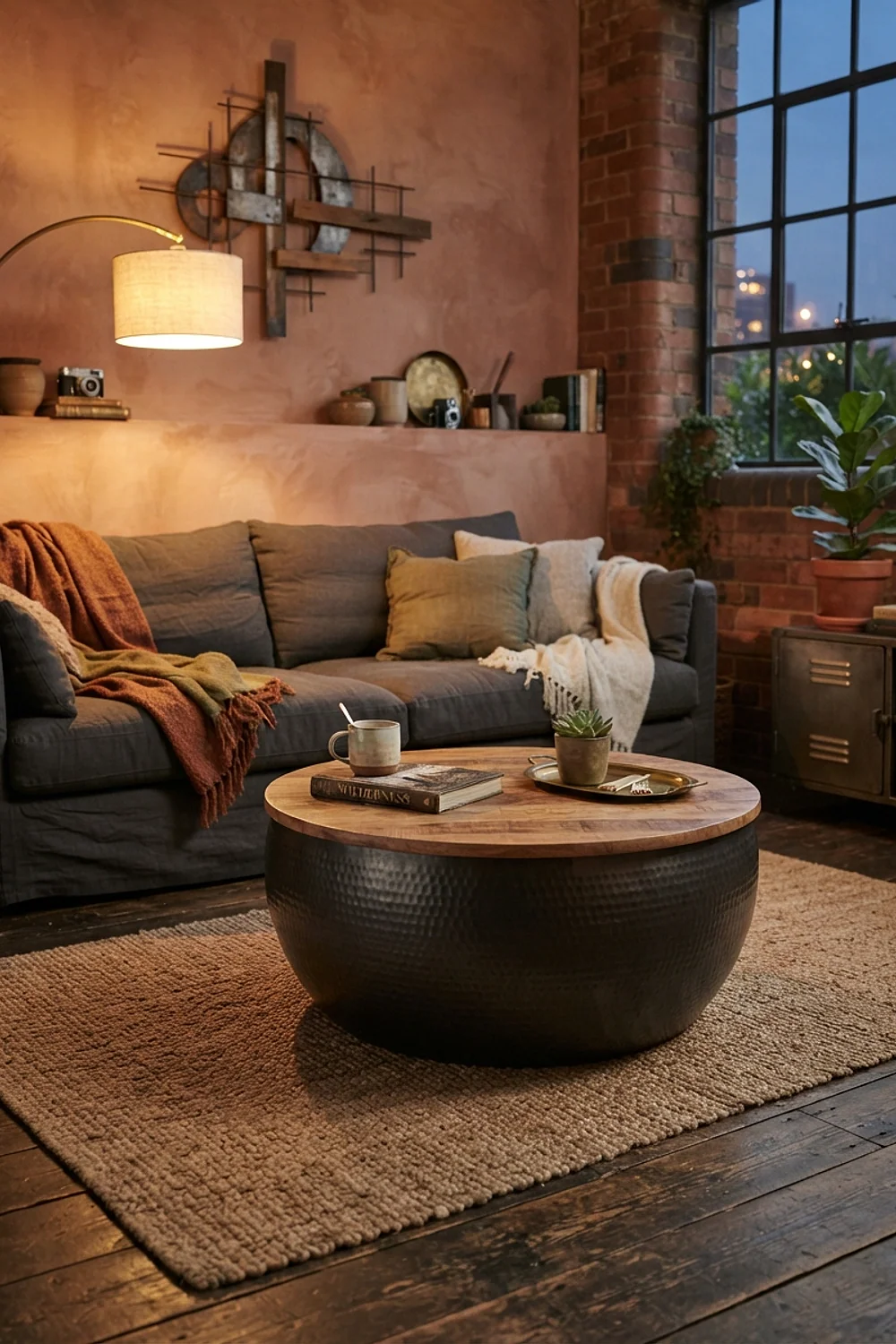
A round oak or travertine-look coffee table, 32-36 inches across, keeps hips and toddlers clear of sharp corners. Set the top 16-18 inches high, roughly level with the sofa seat, and keep 14-18 inches between table and sofa edge.
This one suits small rooms and busy households. Skip glass tops if fingerprints bother you, since light from a side window shows every smudge.
7. A sofa pulled 12-18 inches off the wall
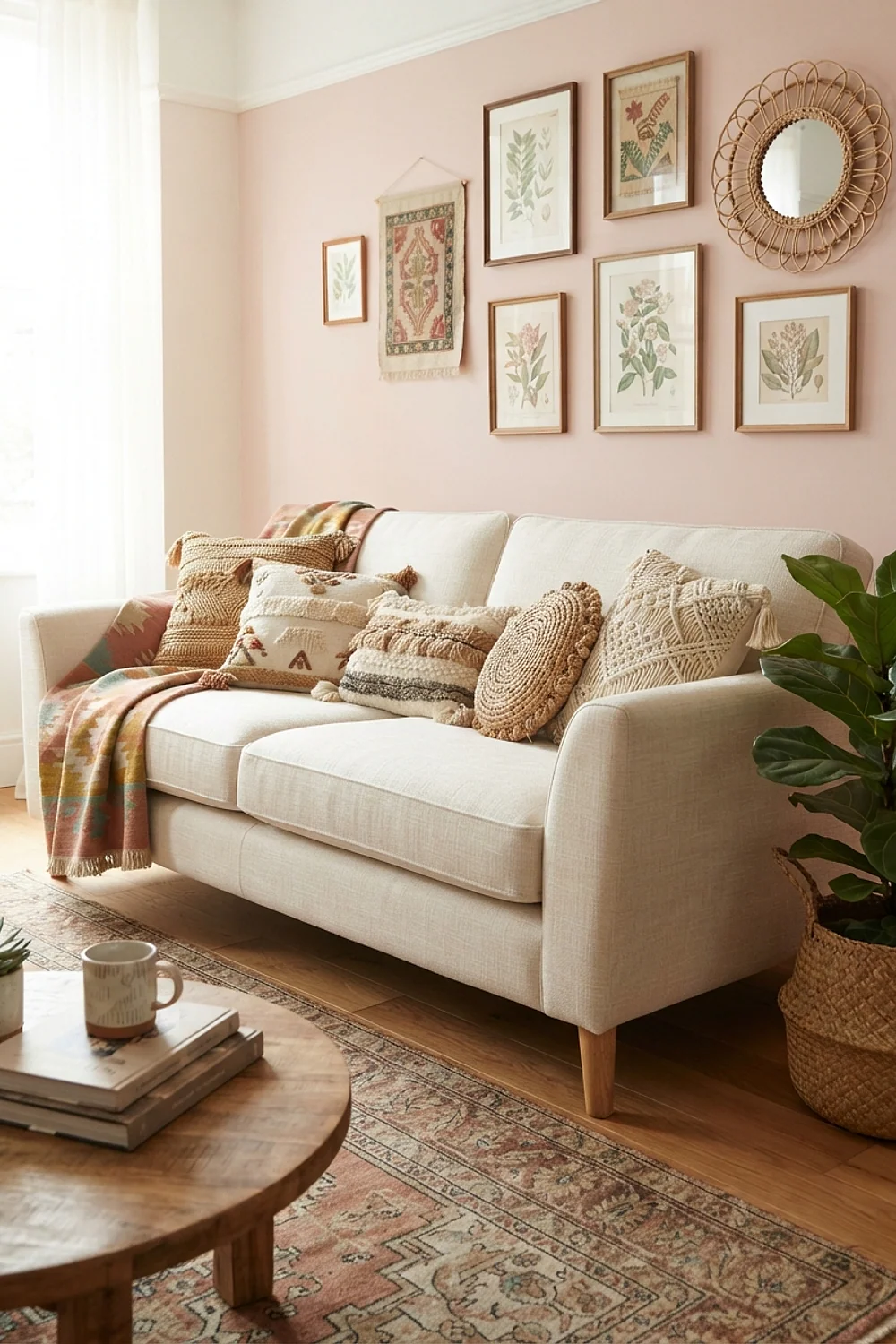
Pulling the sofa off the wall costs nothing and changes the room immediately. The gap gives the back a shadow line, and a narrow console, 10-12 inches deep, can sit behind it to hold a lamp.
The move works when the room is at least 12 feet wide. In a narrow room, the walkway drops under 30 inches and the whole layout feels like an obstacle course, so push it back.
8. A 60-inch sideboard with closed doors
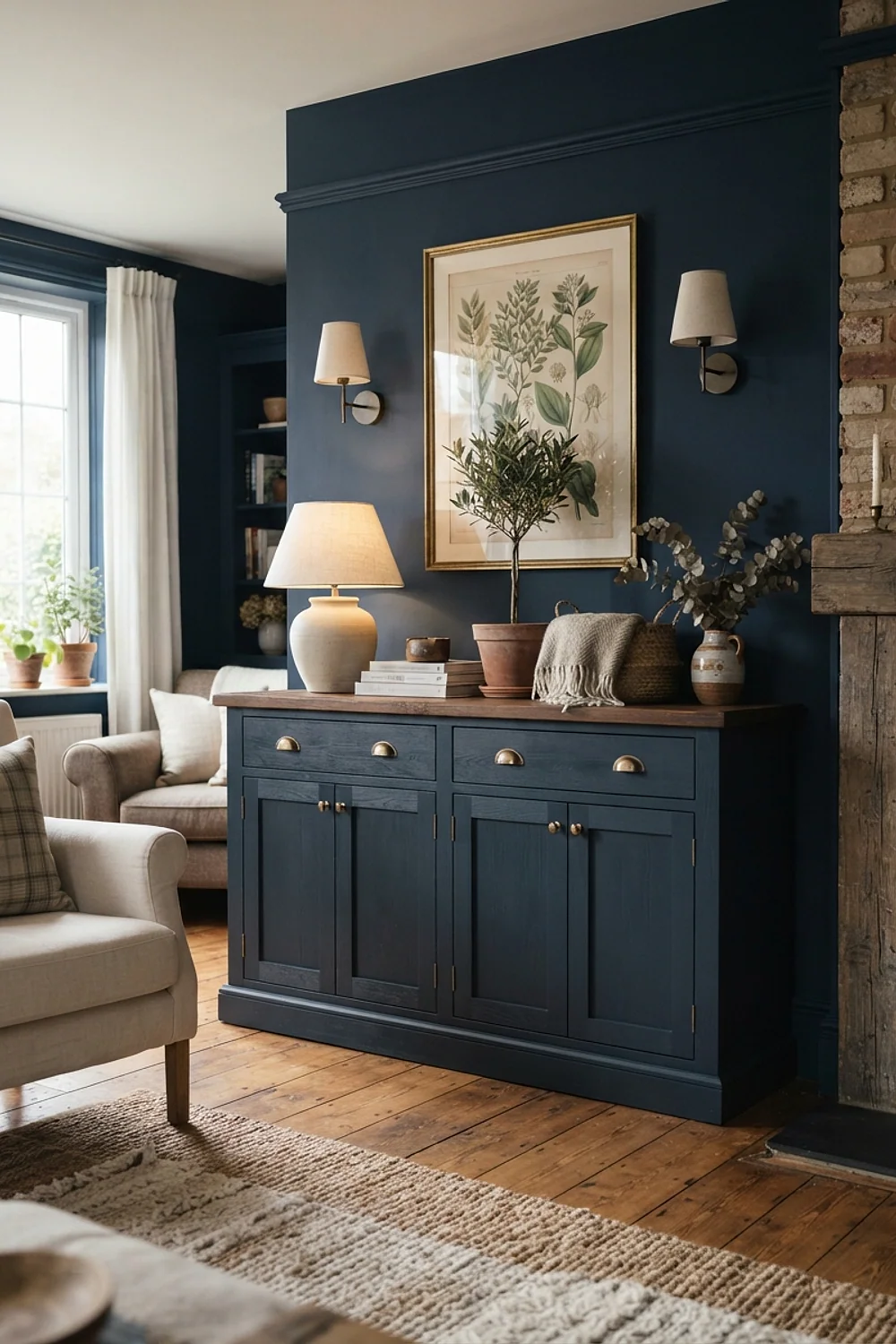
A 60-inch sideboard, 14-16 inches deep, swallows routers, remotes, board games, and the tangle of cables that wrecks an otherwise calm wall. Closed storage matters more than most people expect: clear surfaces are half of what reads as refined. Expect to spend $400-$1,200 depending on veneer or solid wood.
Open shelving only works for owners who actually edit. Choose doors if the household produces clutter daily.
9. A 50×60 inch wool-blend throw
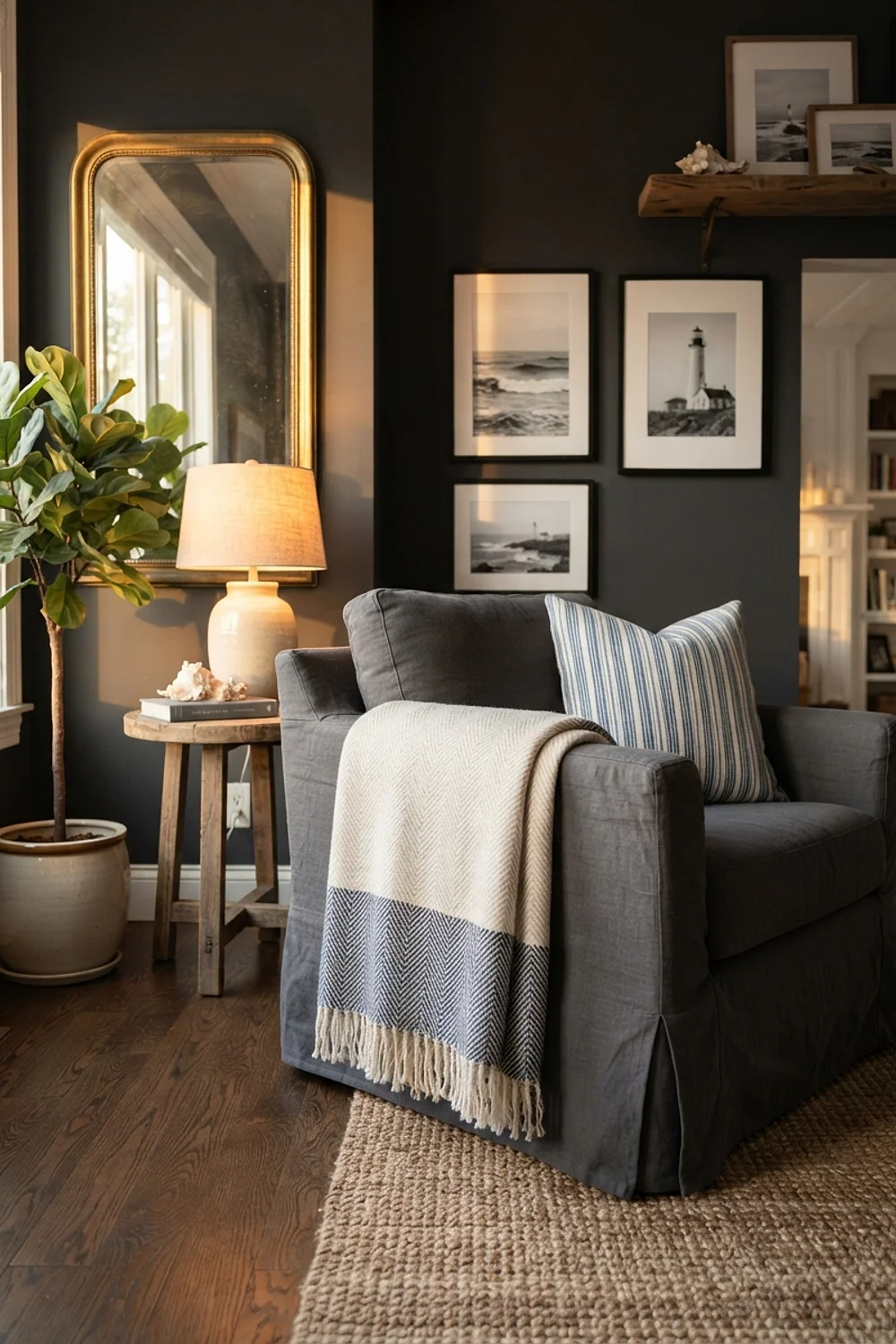
A wool or cotton-cashmere throw, around 50×60 inches, gives hands something to land on and adds a layer of soft texture against smooth upholstery. Fold it once over the sofa arm and it looks casual; wad it into a heap and it looks abandoned. The size is big enough to cover a lap yet small enough to stay tidy.
Cold-climate living rooms get the most use from it, since natural fibers hold warmth without overheating. Skip acrylic blends, which pill within a season and crackle with static on dry January evenings.
10. Art hung with its center at 57 inches
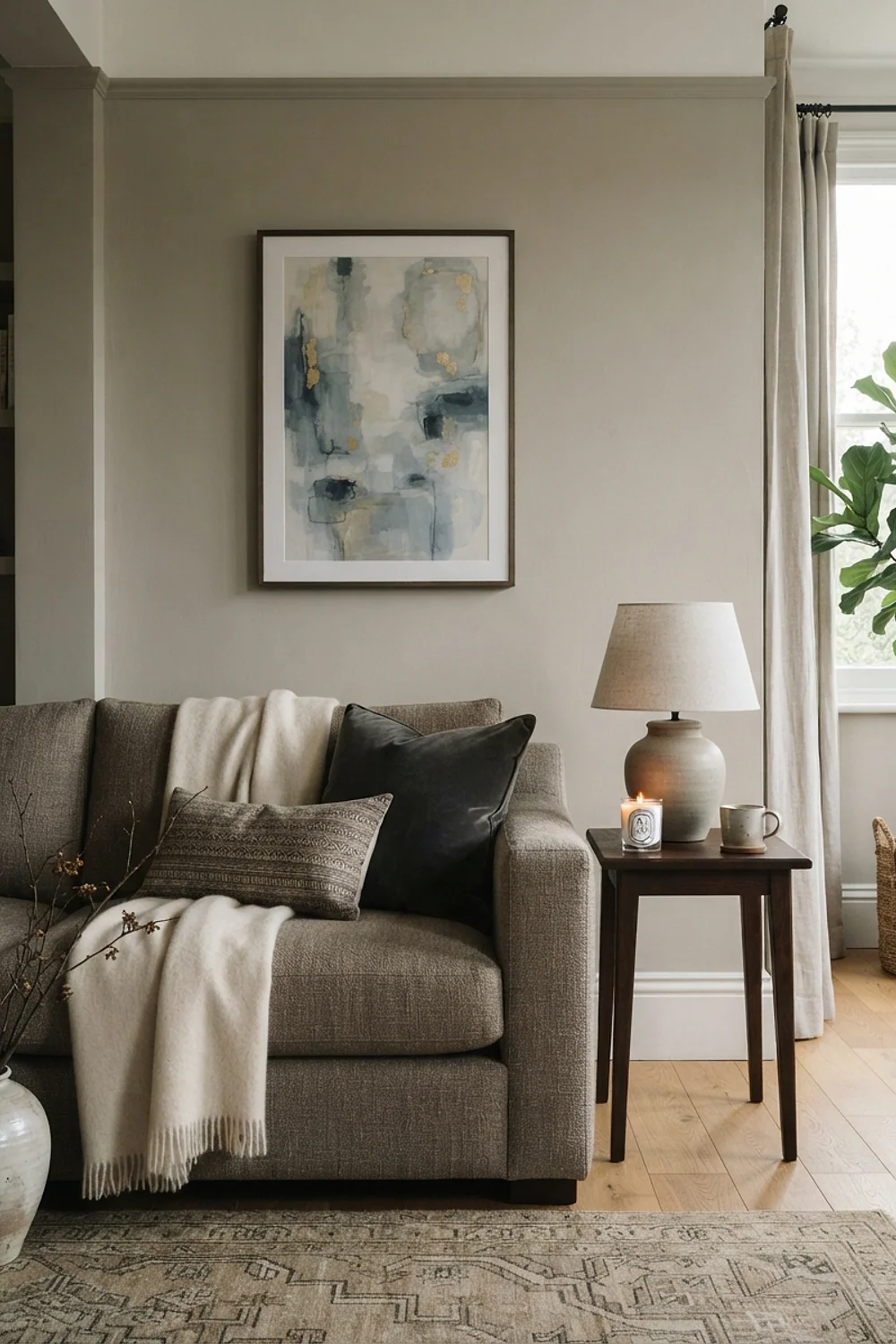
Hang art so its center sits about 57 inches from the floor, which is average eye level. The most common mistake is hanging it far too high, so it floats away from the furniture below.
Over a sofa, leave 6-8 inches between the frame and the cushions. Picture-hanging strips hold up to about 16 pounds, and a deep picture ledge lets frames lean and change without new holes.
11. A 5-6 foot olive tree in a 14-inch pot
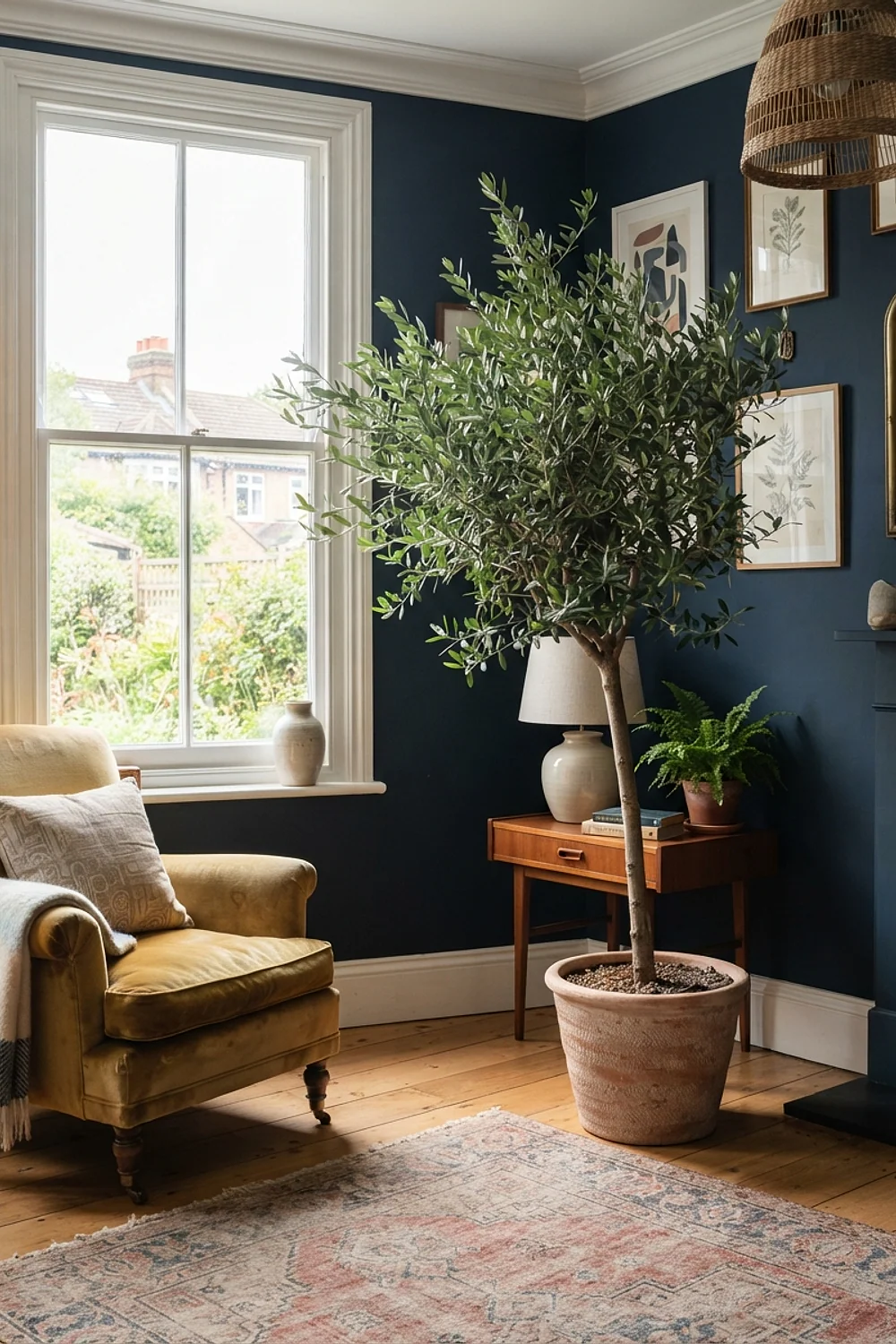
A 5-6 foot olive tree fills a dead corner the way a 2-foot plant can’t. Height breaks up the hard line where two walls meet, and gray-green leaves sit quietly next to warm whites.
Real ones need a south or west window with direct light. Faux versions are fine in dim rooms, but pick matte leaves and dust them monthly, because shiny plastic gives itself away at once.
12. One velvet armchair in forest green or ink blue
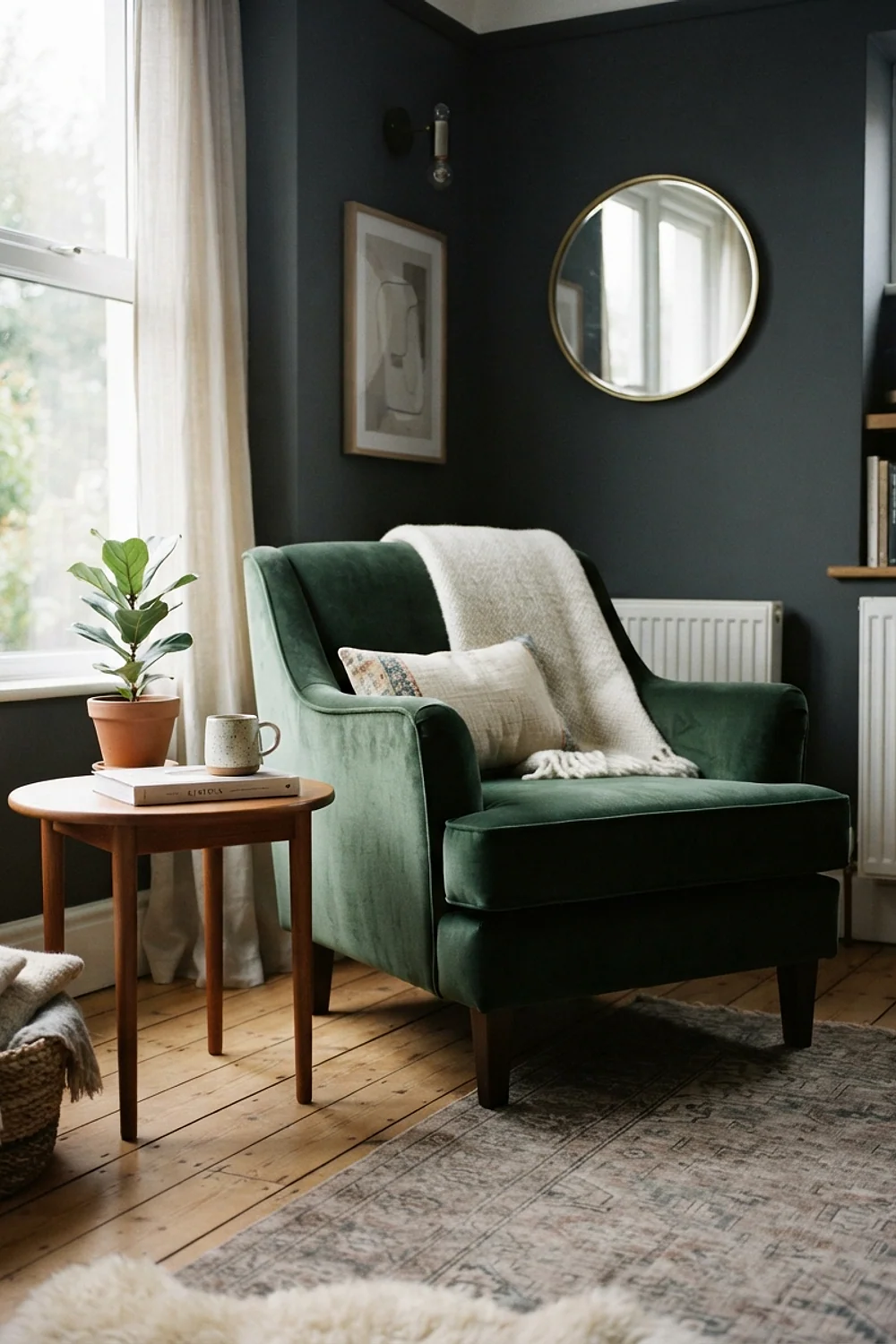
One velvet armchair in forest green or ink blue gives a neutral room a single saturated moment. It works because everything else stays quiet, so the eye lands there first. Good ones run $450-$1,100.
Choose it for rooms that feel flat. Avoid two competing accent colors, and look for a performance velvet if pets are around, since cheap velvet crushes and holds claw marks.
13. A travertine side table, about 18 inches wide
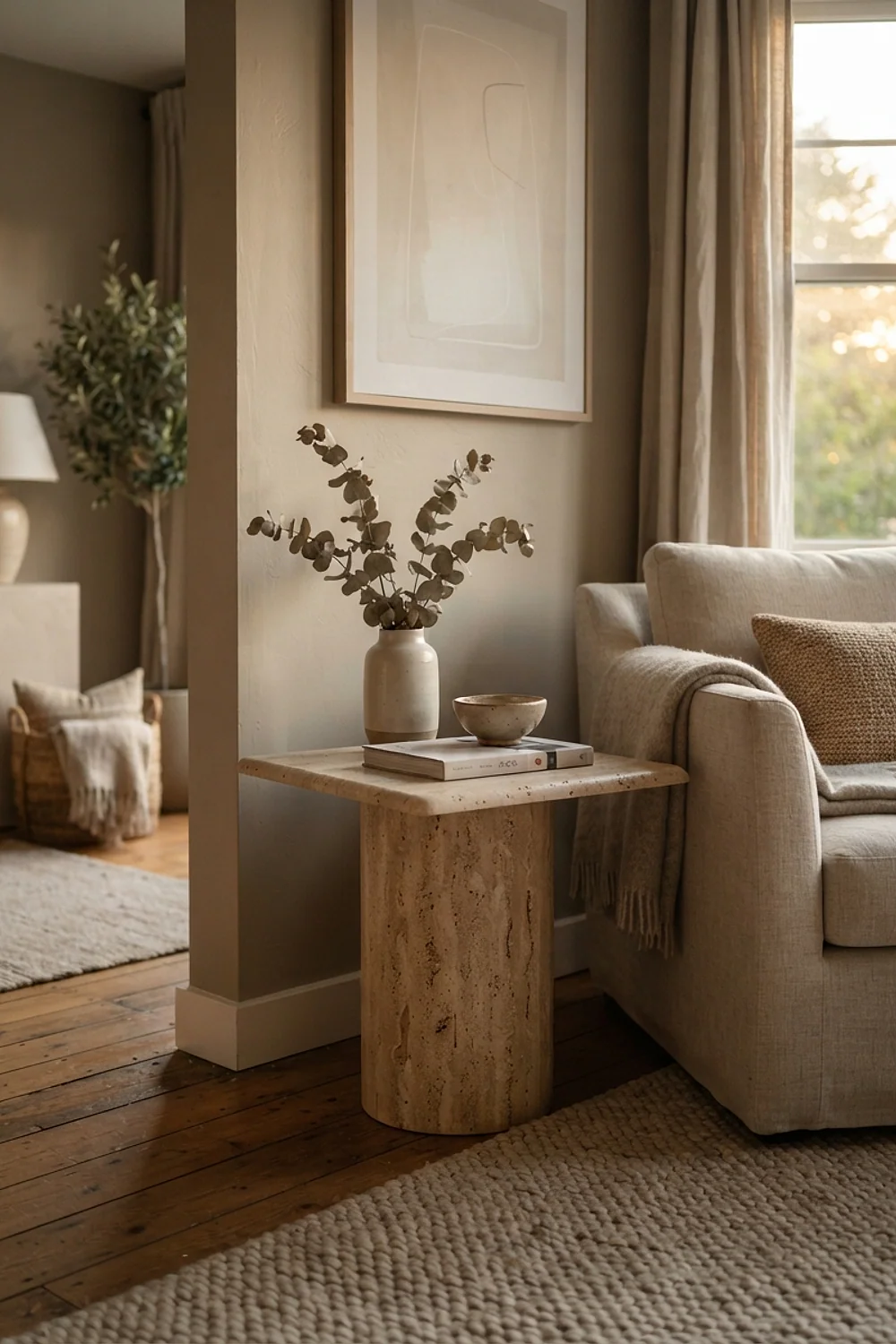
Real travertine has pitted, honey-toned character that laminate imitations flatten out, because every slab varies in pattern and light plays across the uneven surface. That variation gives a plain drum shape plenty of interest beside a sofa. Its weakness is porosity, so a wet glass leaves a ring unless the surface is sealed; coasters help too.
A solid 18-inch drum can weigh 40 pounds or more, which rules it out for frequent movers but suits a settled room. A resin version costs less and moves easily, at the price of some depth.
14. Plug-in wall sconces with a fabric-covered cord
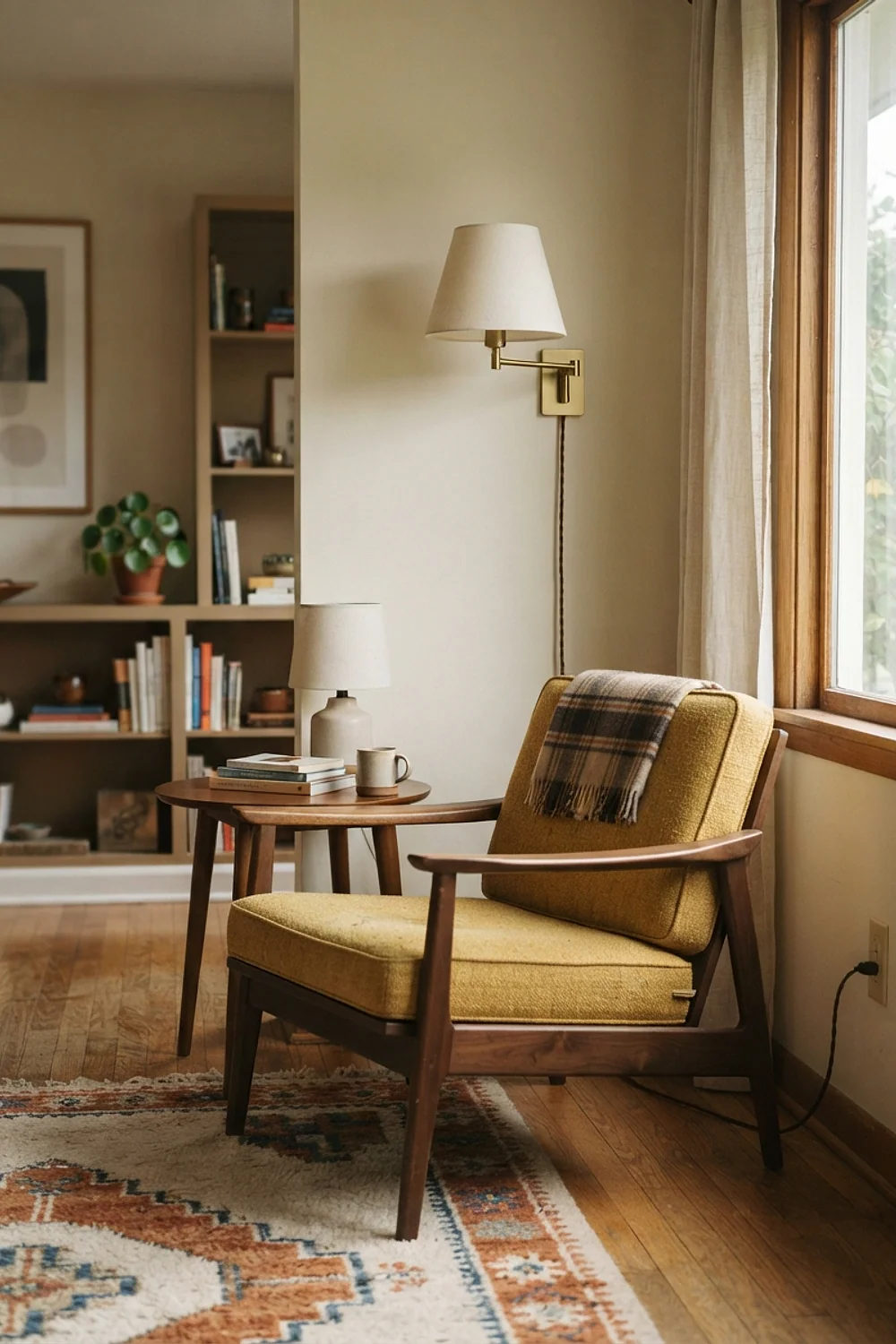
Plug-in sconces, mounted 60-66 inches from the floor, free up table space and push light onto the wall at eye level. A fabric-wrapped cord can be painted to match the wall, so it nearly disappears. (Hardwired sconces look cleaner, but they aren’t something to undo on a whim.)
These suit renters and anyone with a plaster wall they’d rather not open. Use a dimmable bulb, and the evening mood is sorted.
15. A tray with two books and one object
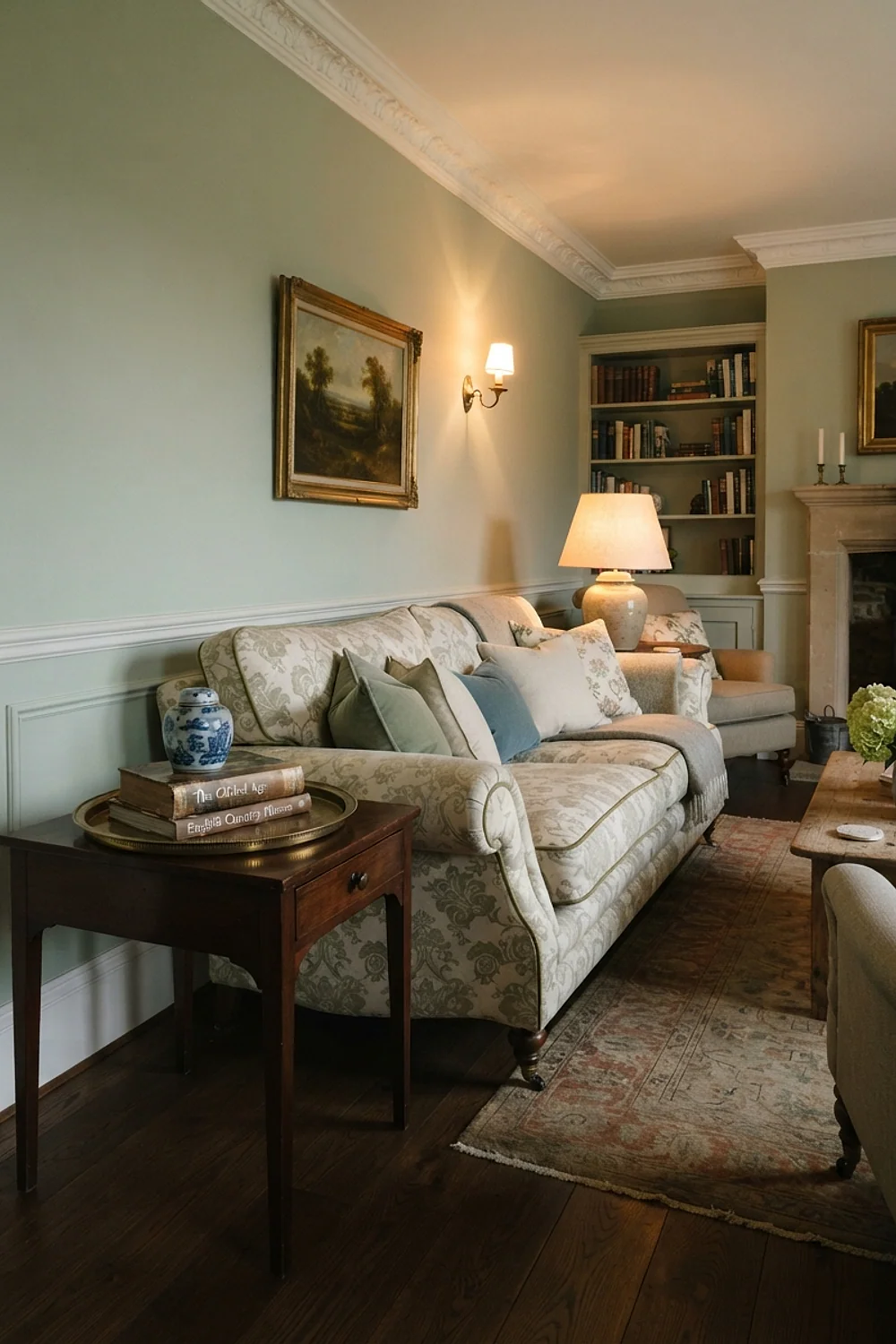
A tray on the ottoman groups small things into one deliberate unit, so the eye reads a single composition instead of scattered clutter. Two coffee-table books laid flat plus a small bowl or candle is plenty, and the tray keeps the stack from sliding when someone sets down a drink.
Leather or lacquered wood trays, around 16×24 inches, hold their shape and suit a standard ottoman or small coffee table. Overload it and the effect turns into a shelf of knickknacks.
16. Nesting side tables that pull apart for guests
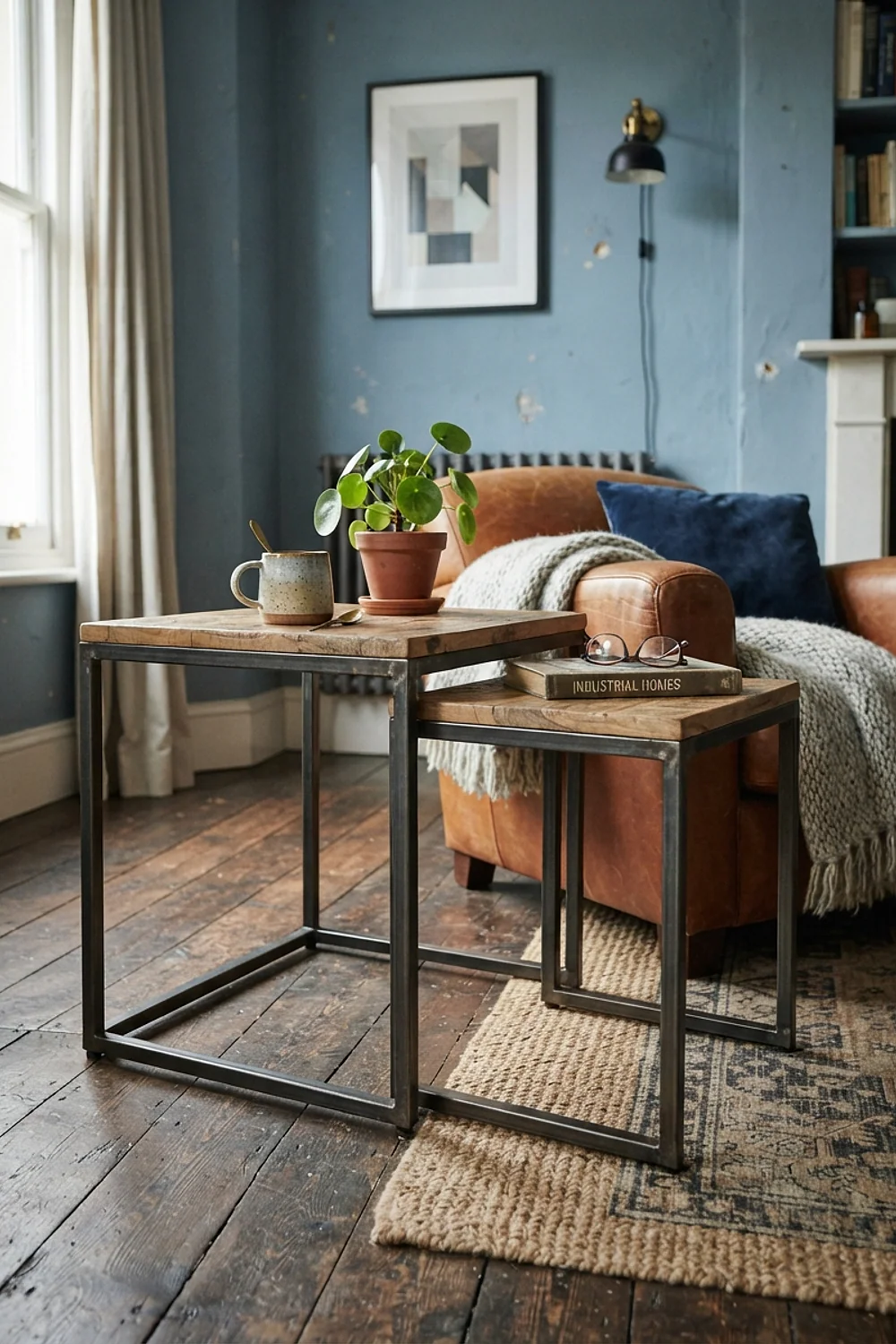
Nesting side tables, usually 16 and 20 inches tall, tuck together on a normal evening and spread out when four people need a spot for drinks. A set often costs $120-$300.
They’re ideal for rooms under 200 square feet. Press down on each top in the store, because a wobbly leg shows up the day the first glass goes on it.
17. Two swivel chairs angled toward the sofa
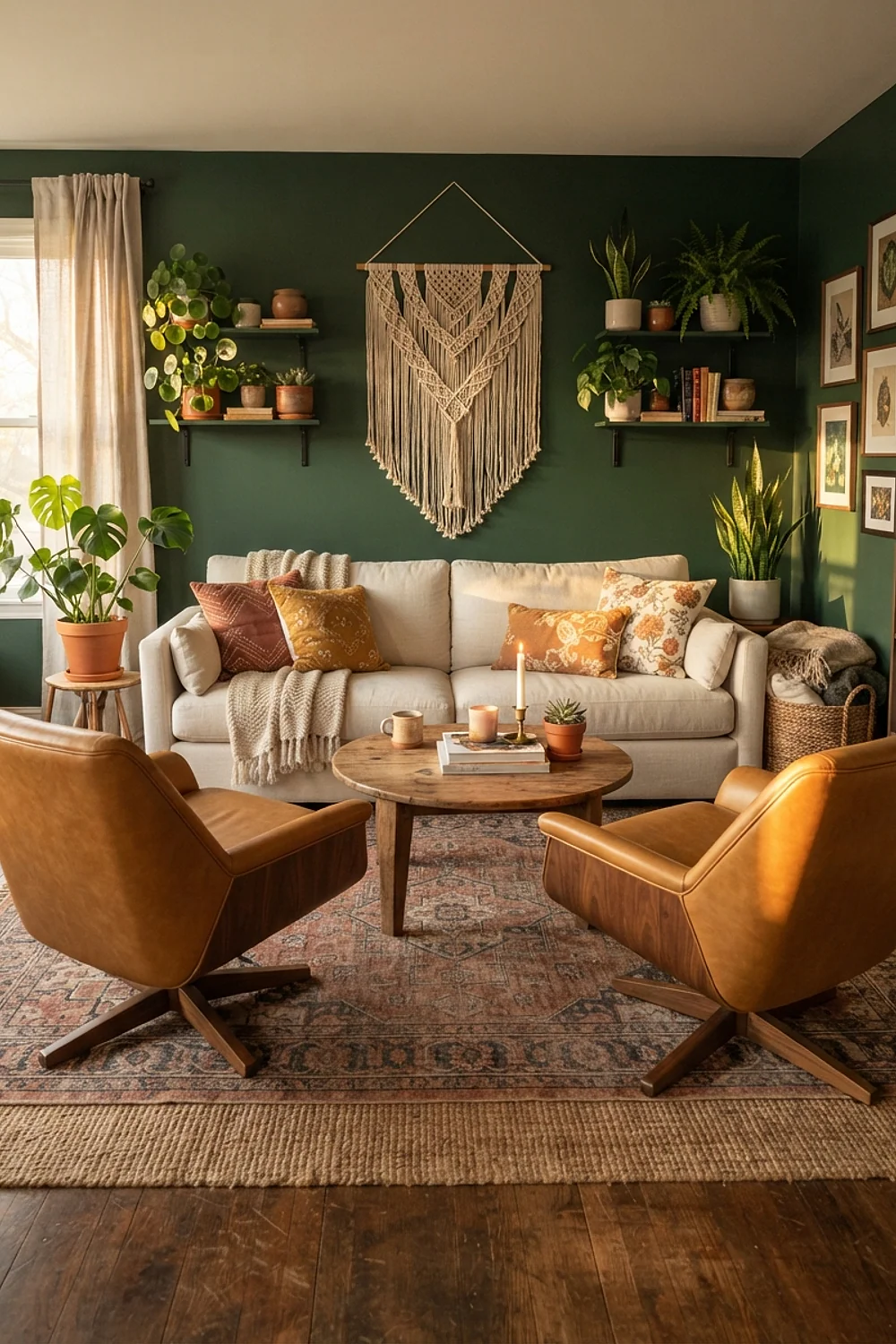
Two swivel chairs set at an angle across from the sofa, no more than 8 feet apart, turn a living room into a conversation. The swivel is the quiet hero: guests can face the TV or each other without dragging furniture.
Pushing chairs flat against the walls is the mistake, since it makes the room feel like a waiting area. Pulled in, they make a loose oval that looks relaxed.
18. A lidded seagrass basket for throws and remotes
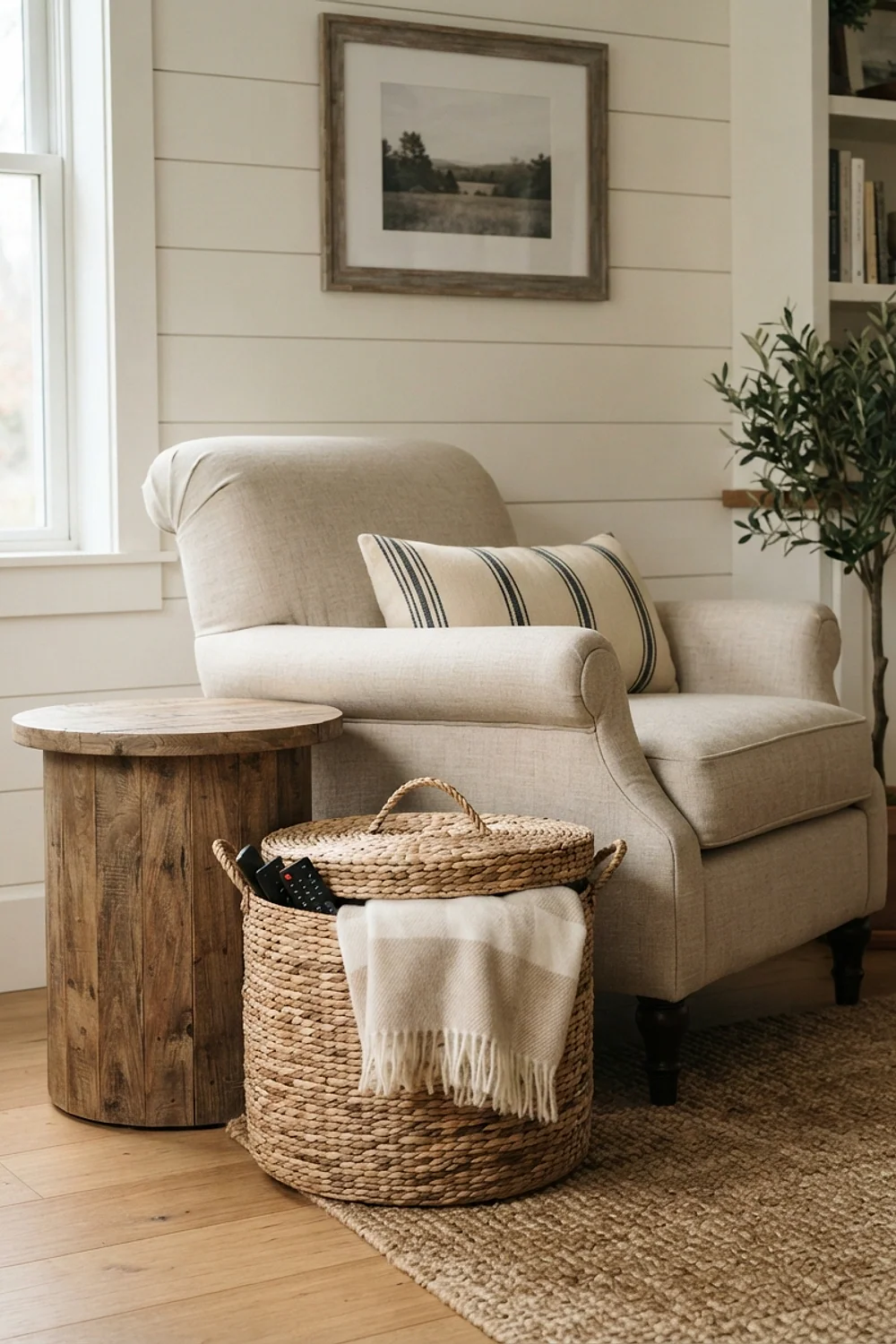
A lidded seagrass or rattan basket, about 18 inches wide, swallows throws, game controllers, and the overflow that no sideboard can hold. The lid matters because open baskets show their contents like an advertisement for mess, while a closed one reads as a quiet textural accent beside the sofa.
Families with small children will find this the most useful item on the list, and it suits apartments short on closed storage. Check the weave inside, since rough fibers snag cashmere; a cotton liner solves the problem.
Combining the pieces without a showroom look
Elegant living room decor goes wrong when every piece comes from the same set. A matched sofa, table, and lamp trio looks like a catalog page, and nobody lives in a catalog.
Mix two wood tones, one stone, and one fabric with visible texture. Keep the main palette to three colors, and let the accent chair be the fourth.
Buy in this order so mistakes stay cheap:
- Rug and sofa position first, since they set the scale.
- Lamps and curtains next, because light changes how everything else reads.
- Cushions, throws, and baskets last, since they’re the easiest to swap.
Spend most where hands and eyes land every day: the rug, the sofa, and the lamps. Cushion covers and baskets are fine at modest prices.
Key pieces and where to find them
Elegant living room decor depends on numbers more than on taste. Measure first, and half the returns never happen.
- Walkways: 30-36 inches between furniture where people pass.
- Coffee table to sofa: 14-18 inches.
- Rug: 6-8 inches of bare floor between the rug edge and the wall.
- Curtain width: about 2 times the window width.
- Art center: 57 inches from the floor.
Painter’s tape on the floor costs almost nothing and undoes in a second.
Mark the footprint of the rug, table, and chairs, then walk through it for a day. A shape that feels tight in tape will feel worse in oak.
Start with what you can undo
The best order is the reversible one: tape, samples, plug-in light, and a rug that can go back. Commit to anything permanent only after the room has shown how it behaves at 9am and at dusk.
Elegant living room decor is built slowly, and the rooms that look finished usually took patience, not a big purchase. Save or pin this list for when you’re ready, then begin with the 8×10 rug measurement and a strip of painter’s tape on the floor.