
13 Organic Modern Kitchen Decor Styles That Last
What actually separates a kitchen that feels organic modern from one that’s merely beige? Organic modern kitchen decor comes down to texture and restraint: raw wood, honed stone, plaster, linen, and metal that’s allowed to age, all in a palette borrowed from clay and oatmeal.
If a pin sent you here looking for pieces that will still look right in 2040, the 13 ideas below are it. Each one covers why it lasts, who it suits, and the upkeep it quietly asks for. A before and after breakdown with lessons learned follows.
Organic modern kitchen decor: Where the inspiration comes from
Nothing here depends on a fashion cycle. Japanese wabi-sabi, Scandinavian craft furniture, and the Shaker habit of hanging everything on a peg all point the same way: honest materials, simple shapes, and surfaces that improve with handling.
Trends date because they rely on a gimmick, like a color nobody saw coming or a finish that only looks good new. Organic modern kitchen decor does the opposite. A scratched oak shelf looks better than a pristine one.
One judgment runs through every pick: how it behaves a year in. Pretty on day one is easy. The list below favors pieces that clean up without a fuss and wear gracefully.
1. A floating white oak shelf, sparsely styled
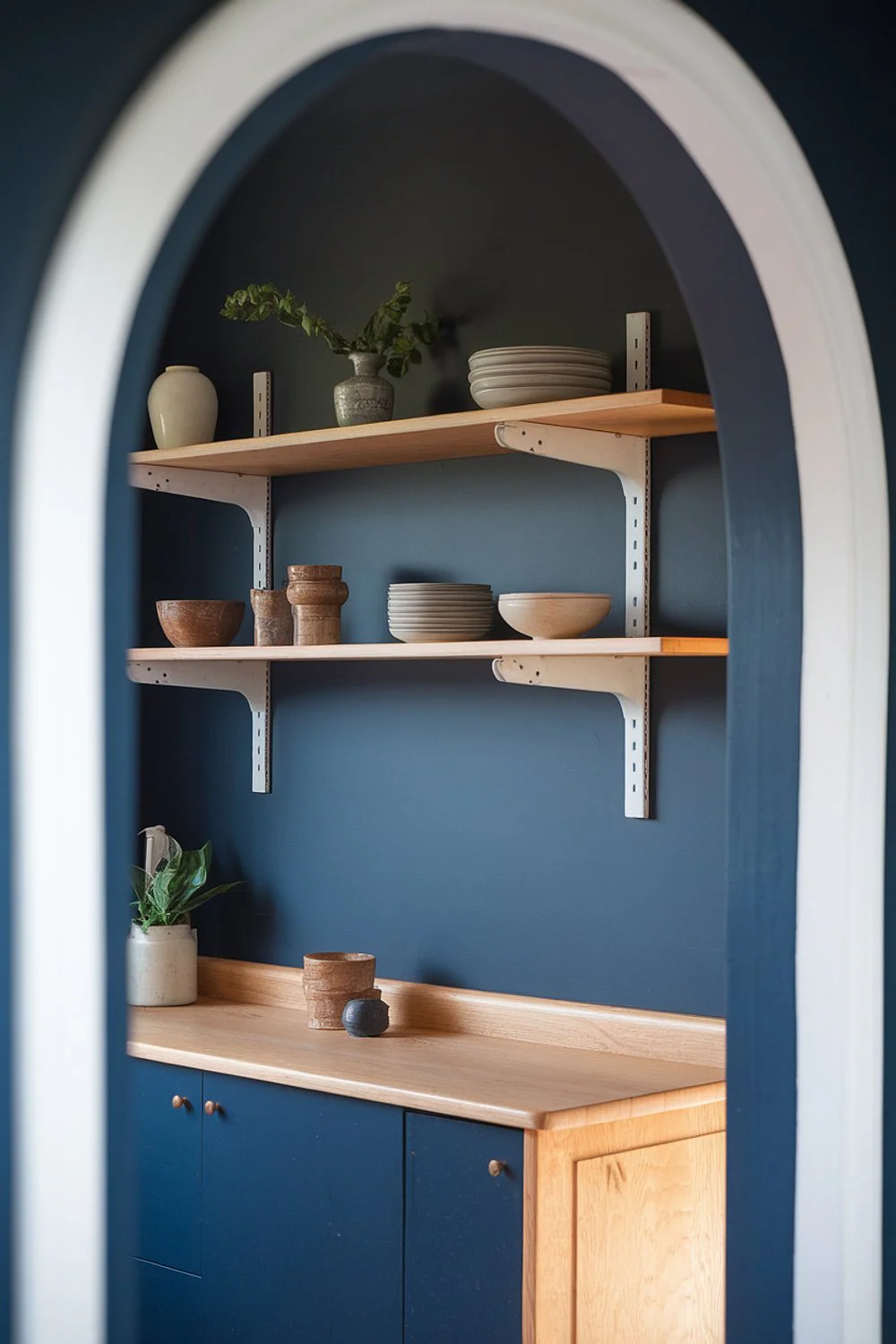
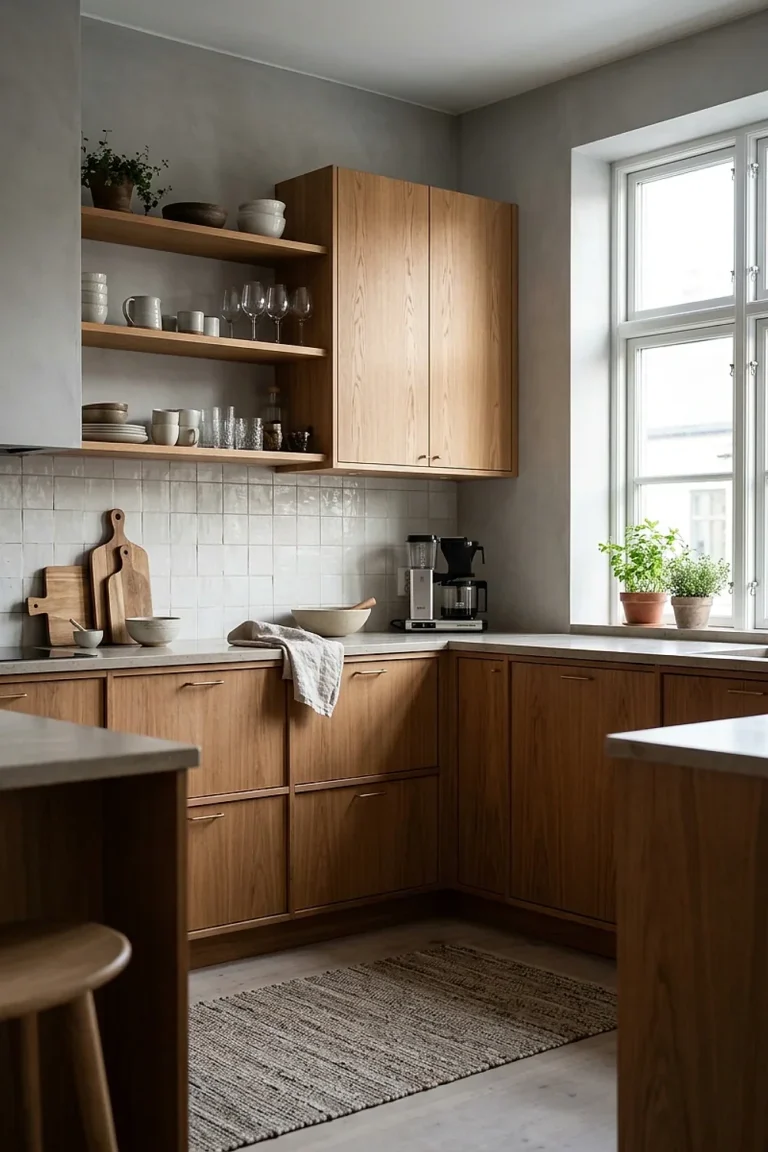
Two stoneware bowls, one board leaned upright, and an olive oil bottle on a 48-inch shelf is the whole formula. Shaker pegboards and Scandinavian plate racks used the same restraint centuries ago, so it never reads as a trend.
It suits kitchens with a blank stretch of wall, and 10 to 12 inches of depth is plenty. The catch is upkeep: open shelves near the range collect a grease film, so hang them at least 4 feet from the burners and wipe them monthly.
2. A 33-inch fireclay apron sink
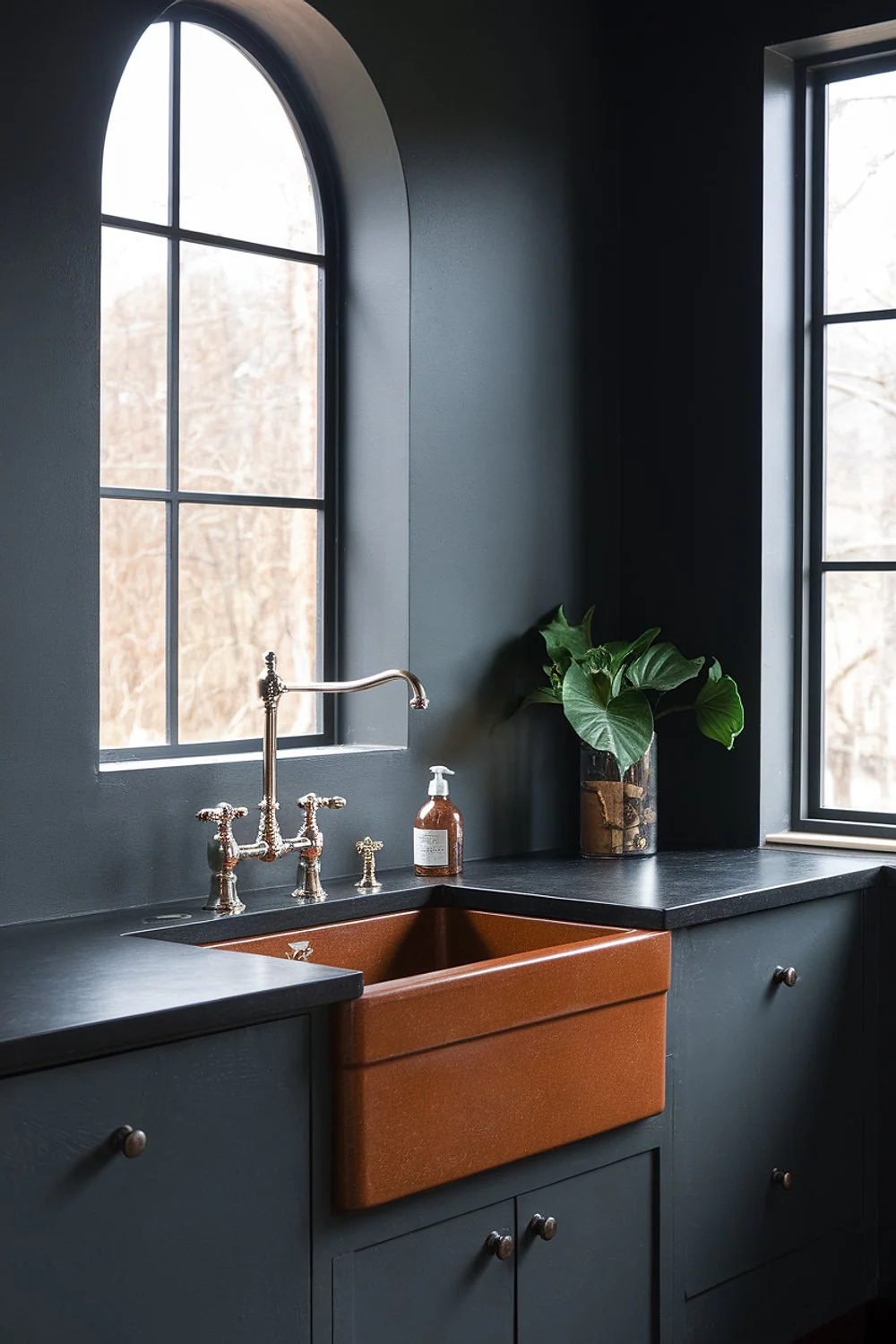
Apron-front sinks began in the 1800s as deep work basins, and the shape has survived because a deep, wide bowl swallows a roasting pan. A fireclay model runs roughly $600 to $1,000. In a small galley kitchen, drop to 30 inches so the cabinet doesn’t crowd the counter.
Fireclay weighs well over 100 pounds, so the base cabinet needs reinforcing. And a chip at the rim shows pale clay beneath the glaze, which is the one flaw you’ll notice.
3. A woven rattan pendant over the island
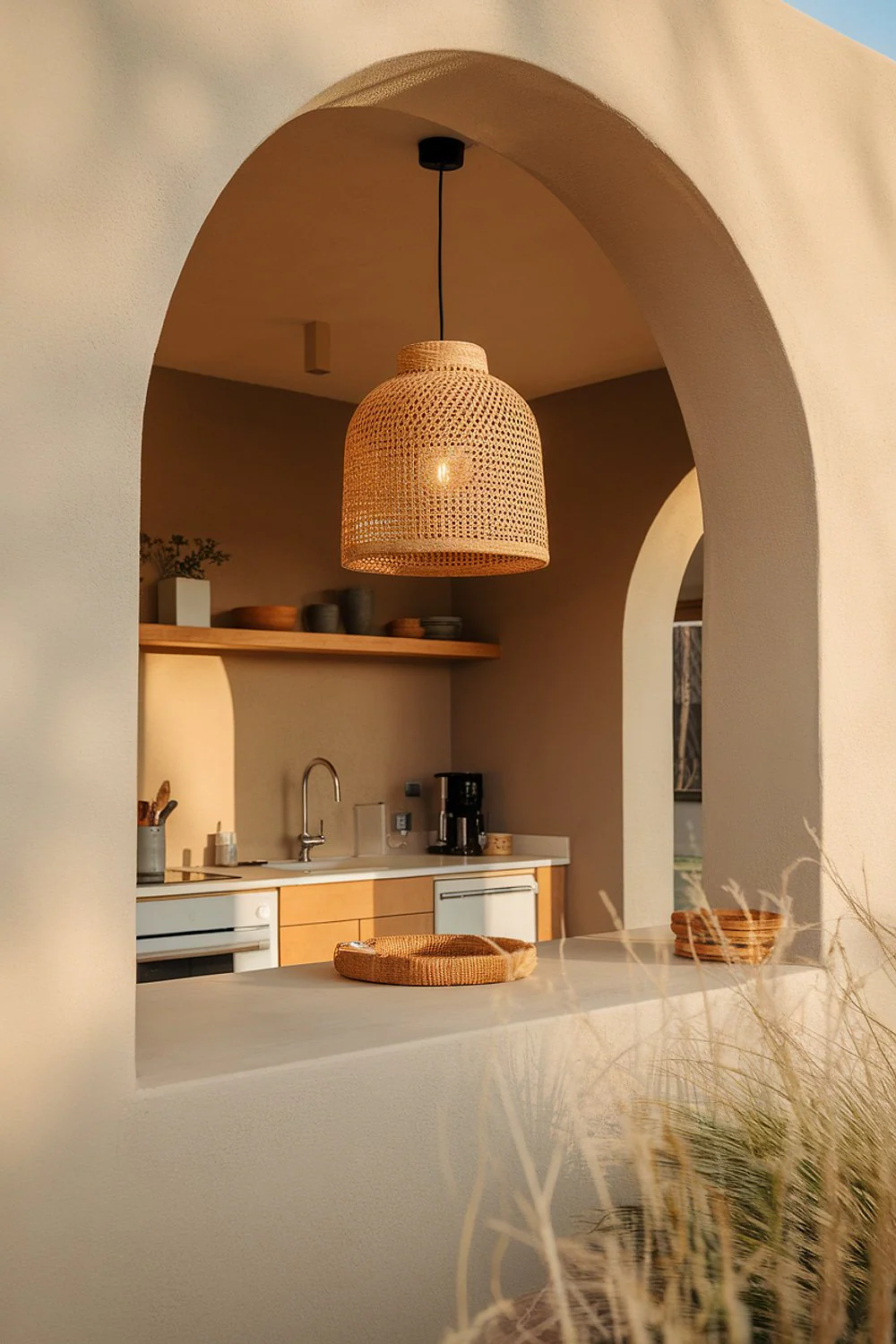
A pendant 18 to 24 inches wide, hung 30 to 34 inches above the counter, throws a dappled pattern across the ceiling at dusk. Use a 2700K bulb. Anything cooler turns the weave gray and flat.
Keep it over an island or dining nook, never directly above the range, because rattan soaks up grease. A dry paintbrush clears dust from the weave in about a minute.
4. Honed soapstone counters
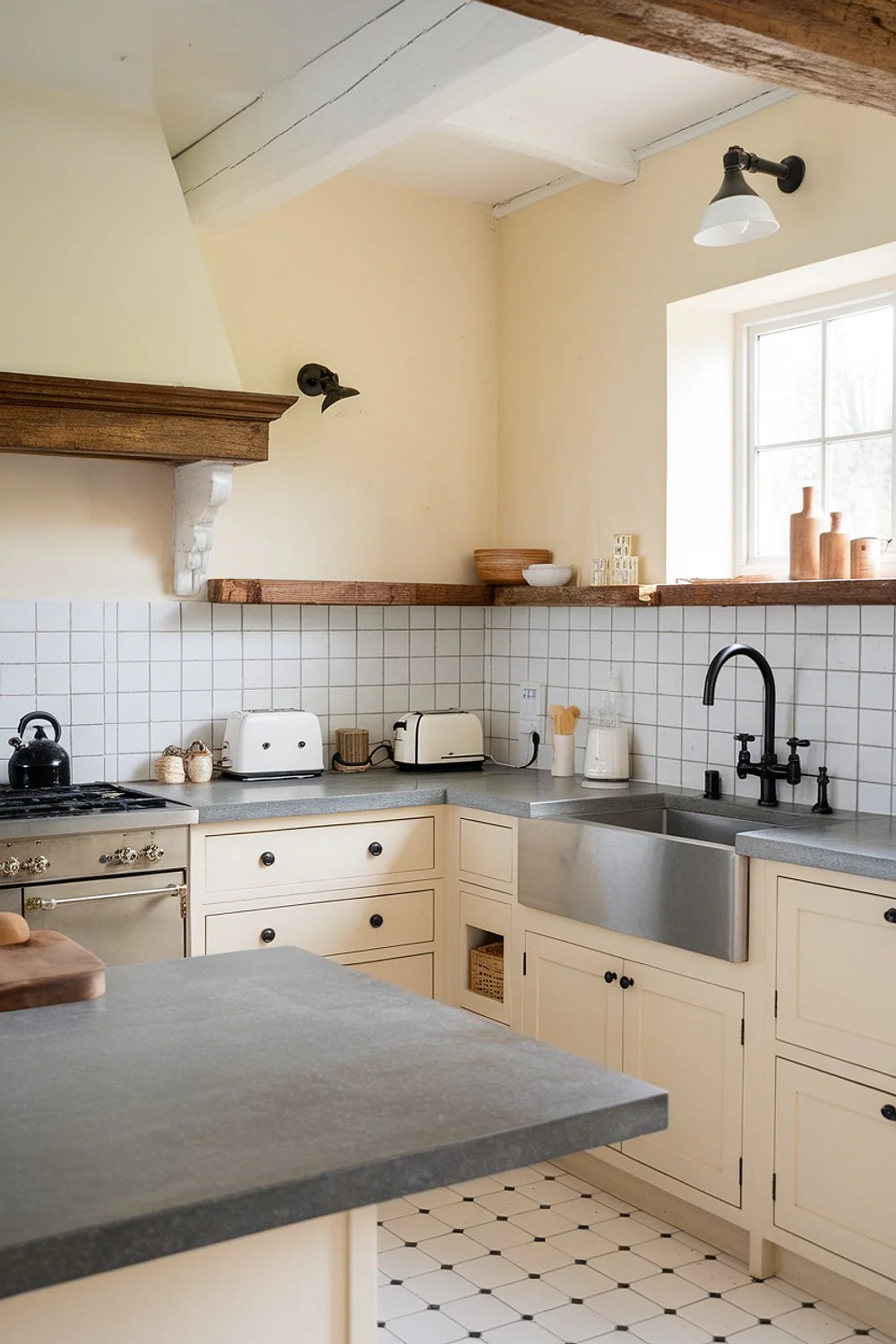
Soapstone is nonporous and shrugs off hot pans, so it never needs sealing. Here’s the counterintuitive part: it’s one of the softest counters available, and that’s exactly why it forgives. A scratch sands out with 220-grit paper in minutes.
Go for slabs 3/4 inch thick, or 1 1/4 inches for overhangs. Mineral oil keeps the color a deep charcoal. Skip it and the stone fades to a soft gray-green, which some people prefer.
5. Handmade zellige tile with sand-colored grout
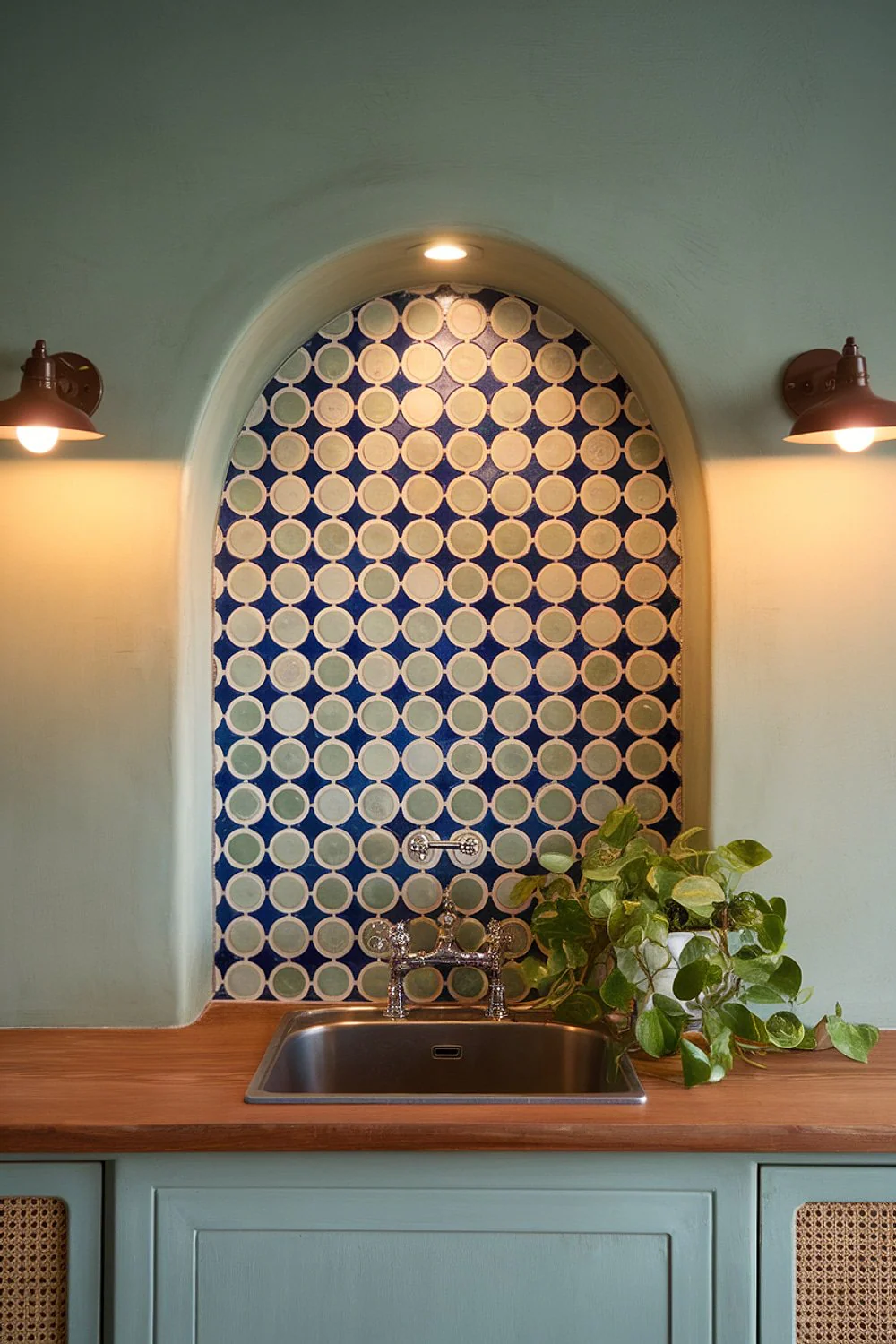
The common mistake with zellige is bright white grout. Each tile varies by a sixteenth of an inch or so, and white lines trace every wobble like a highlighter. Warm gray or sand grout in 1/8-inch joints lets the glaze ripple instead.
It suits a backsplash of 20 to 30 square feet, where the light-catching irregularity gets a stage. Seal the grout behind the range, since splatter stains unsealed joints within a season.
6. An island with woven stools

Plan 42 inches of clear aisle around an island, or 48 if two people work at once. Each stool needs 24 inches of counter, and a 10 to 12 inch overhang gives knees room.
Seagrass or oak stools with a 24-inch seat height suit 36-inch counters. Woven seats trap crumbs, though, so families with small children should choose smooth oak and save the weave for a bench.
7. Clay-leaning greige on the walls
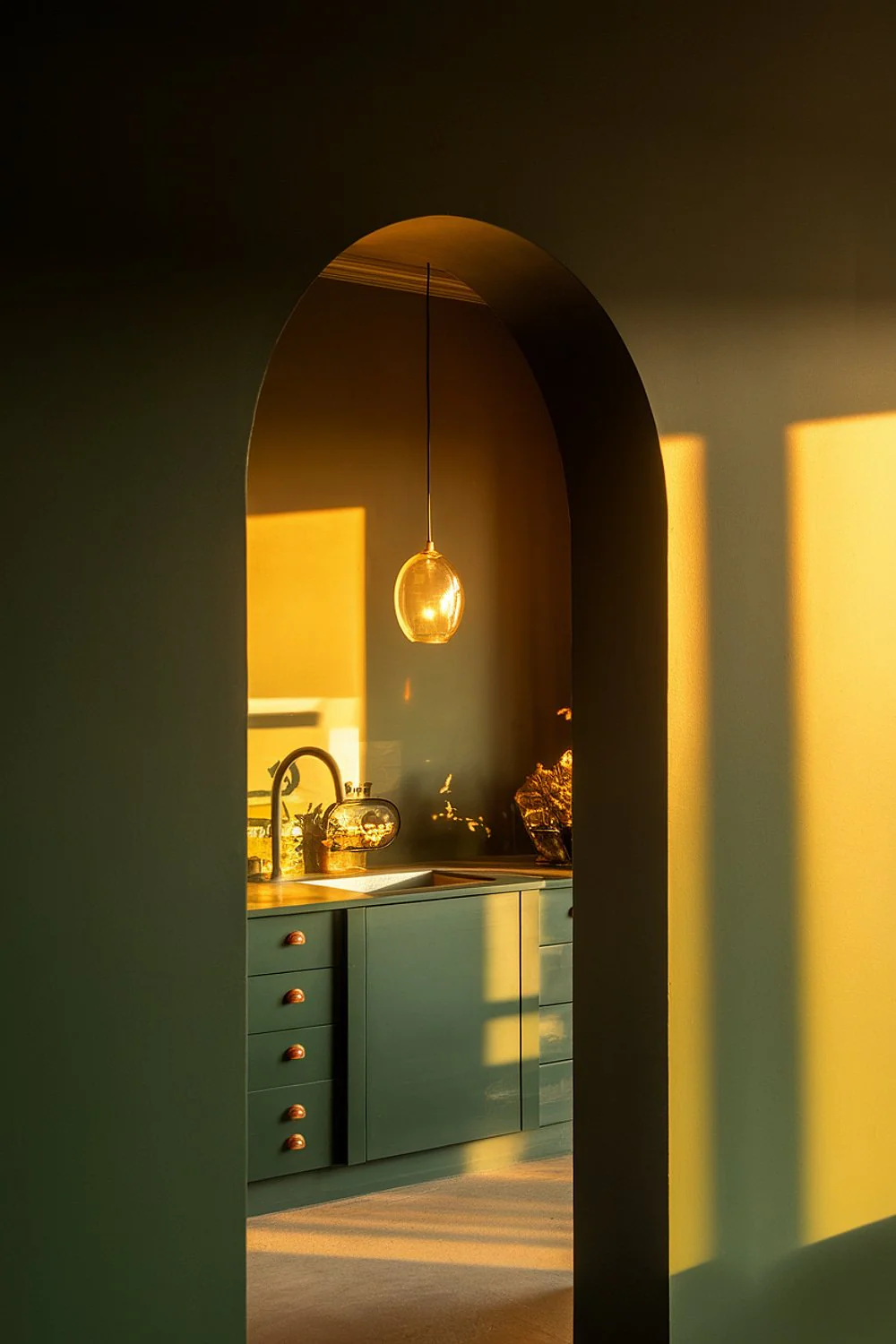
A mushroomy greige such as Farrow & Ball Setting Plaster reads warmer than any gray because its undertone leans pink-brown instead of blue. North-facing kitchens especially need that lean, since cool daylight drains neutrals.
Roll a 2-foot swatch on two walls and look at 4pm and again at 8pm. Use scrubbable eggshell near the sink, where a flat matte will mark within weeks.
8. An unlacquered brass faucet
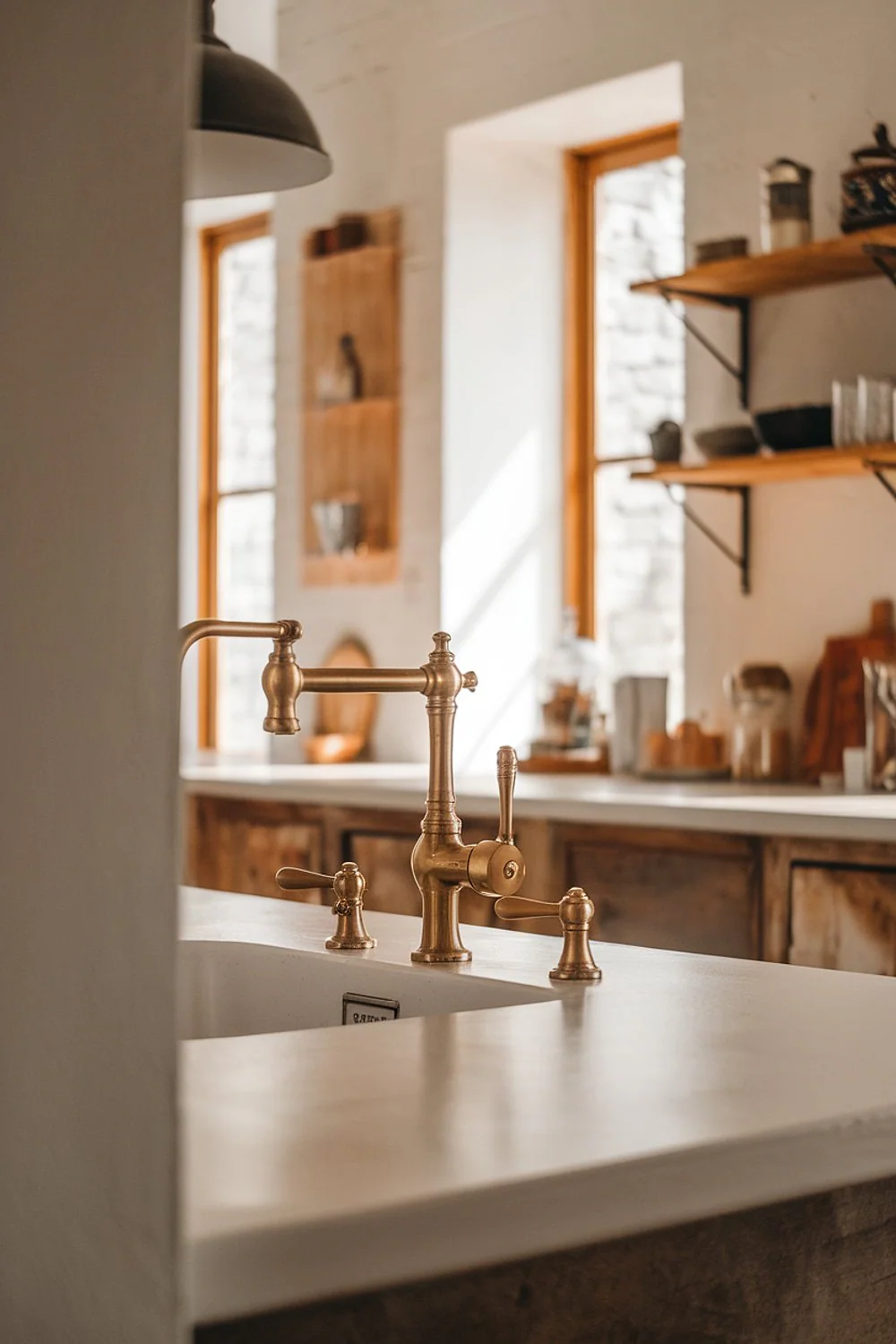
Georgian and Victorian plumbing used raw brass, and the metal darkens from honey to soft brown over months. A good one costs $300 to $600. Lacquered brass flakes and peels once the coating fails, which is why raw is the better long-term buy.
It suits people who like a lived-in surface. If water spots and fingerprints bother you, choose brushed nickel instead. Raw brass asks for a soft cloth wipe and nothing more.
9. A flatweave wool runner
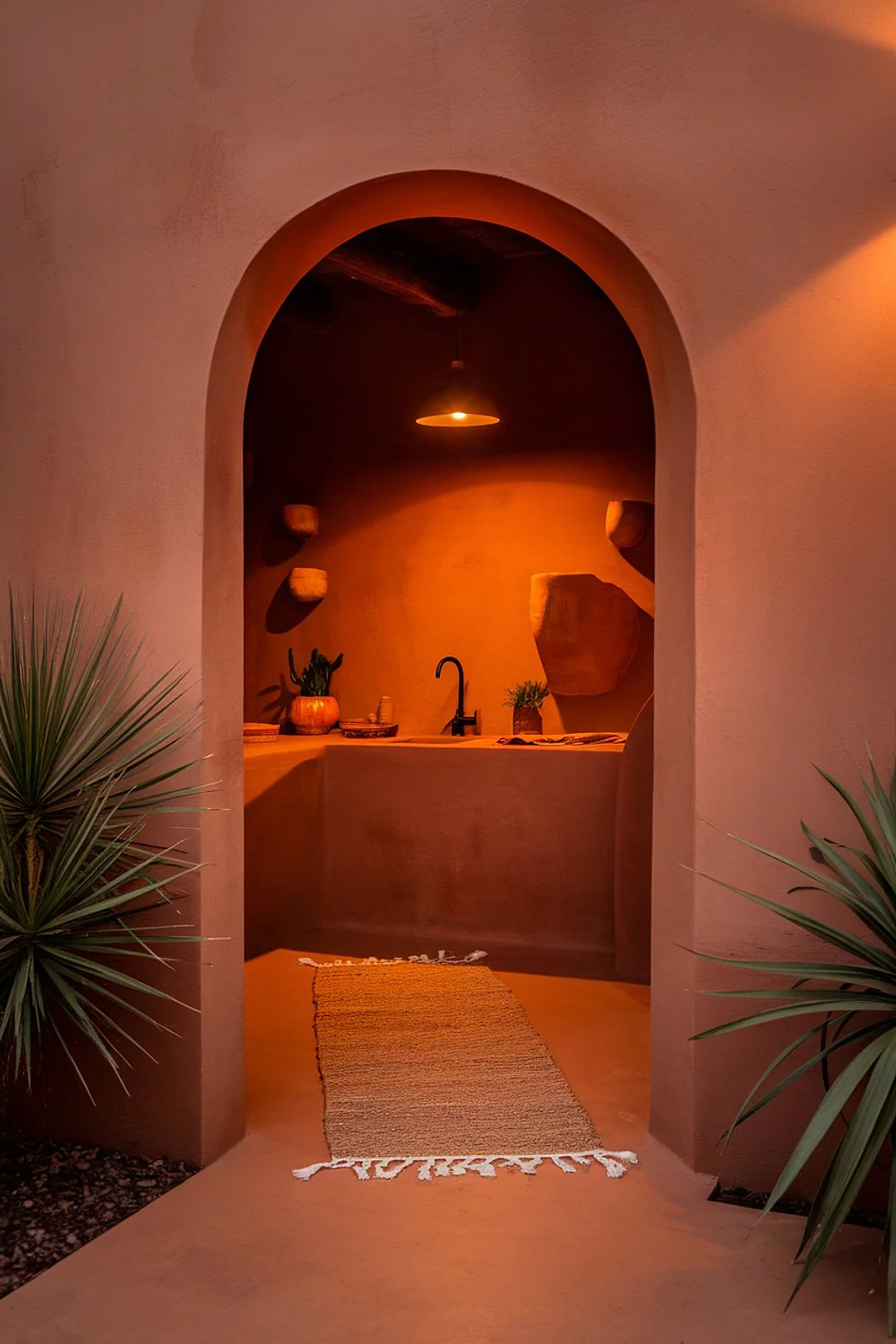
A 2.5 by 8 foot runner in the work lane makes standing on tile for 20 minutes bearable. Wool resists stains better than cotton and hides crumbs in a tight pattern. Add a 1/4-inch felt pad so the rug doesn’t creep.
Avoid shag or any pile over half an inch, because chair legs and dropped lids snag. Vacuum weekly, and rotate it each spring so the sink side wears evenly.
10. Lidded wicker baskets for produce
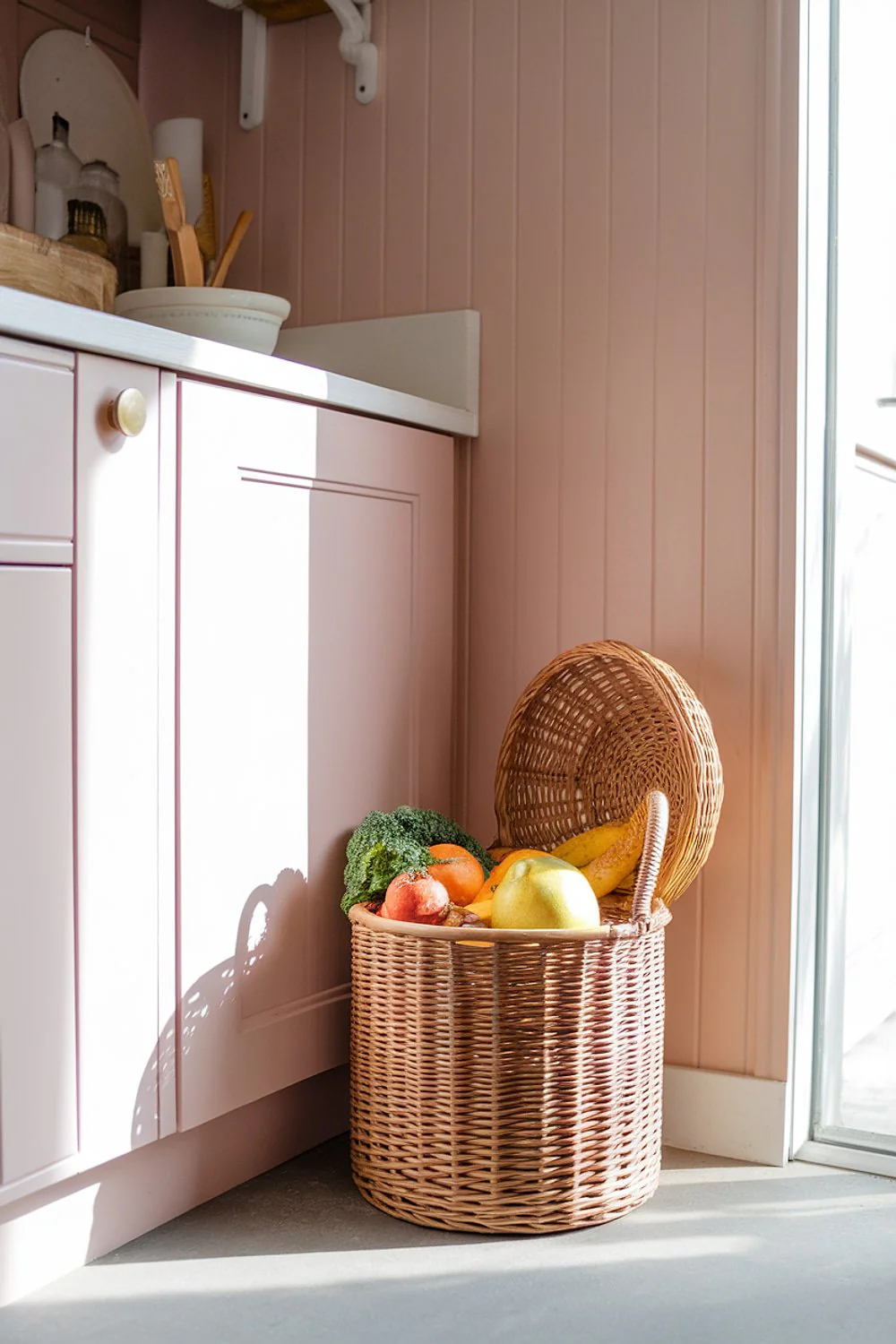
Potatoes and onions keep longest in cool, dark, ventilated spots, which makes a 14-inch wicker basket on a low shelf both pretty and correct. Store them in separate baskets, since onions speed up sprouting in potatoes.
Plastic bins trap moisture and breed mold. Line the basket with a cotton cloth you can launder, and wipe the weave with a damp rag every few weeks.
11. Dried olive branches in a stoneware vase
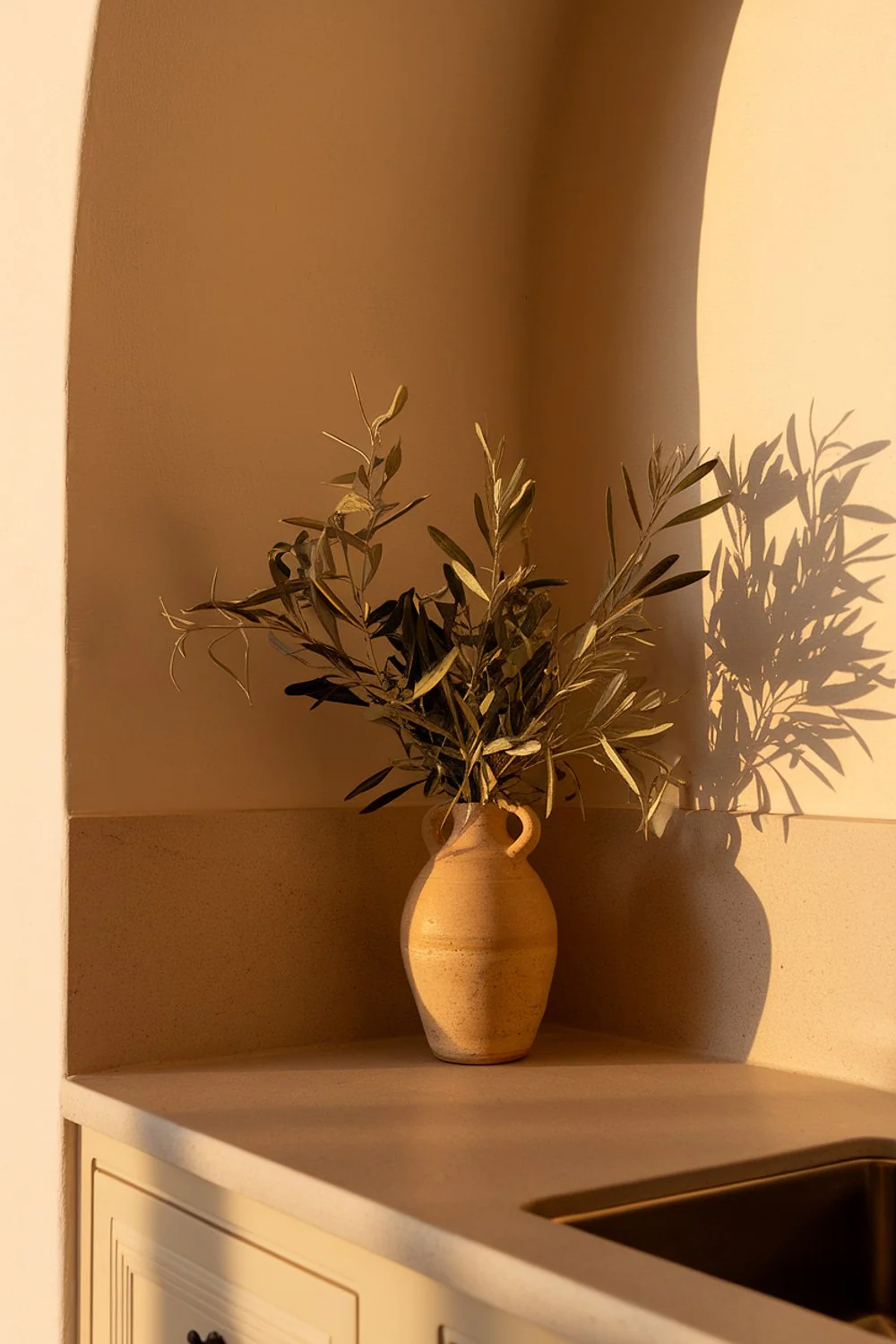
Stems about two and a half times the height of the vase look intentional, so a 12-inch vessel wants branches near 30 inches. A bunch costs around $25 and lasts six to twelve months.
It suits a counter corner or the end of an island, anywhere you want height without a plant to water. Dust collects on the leaves, and humidity near the sink makes them drop, so keep them across the room from the faucet.
12. A plaster range hood sized to the range
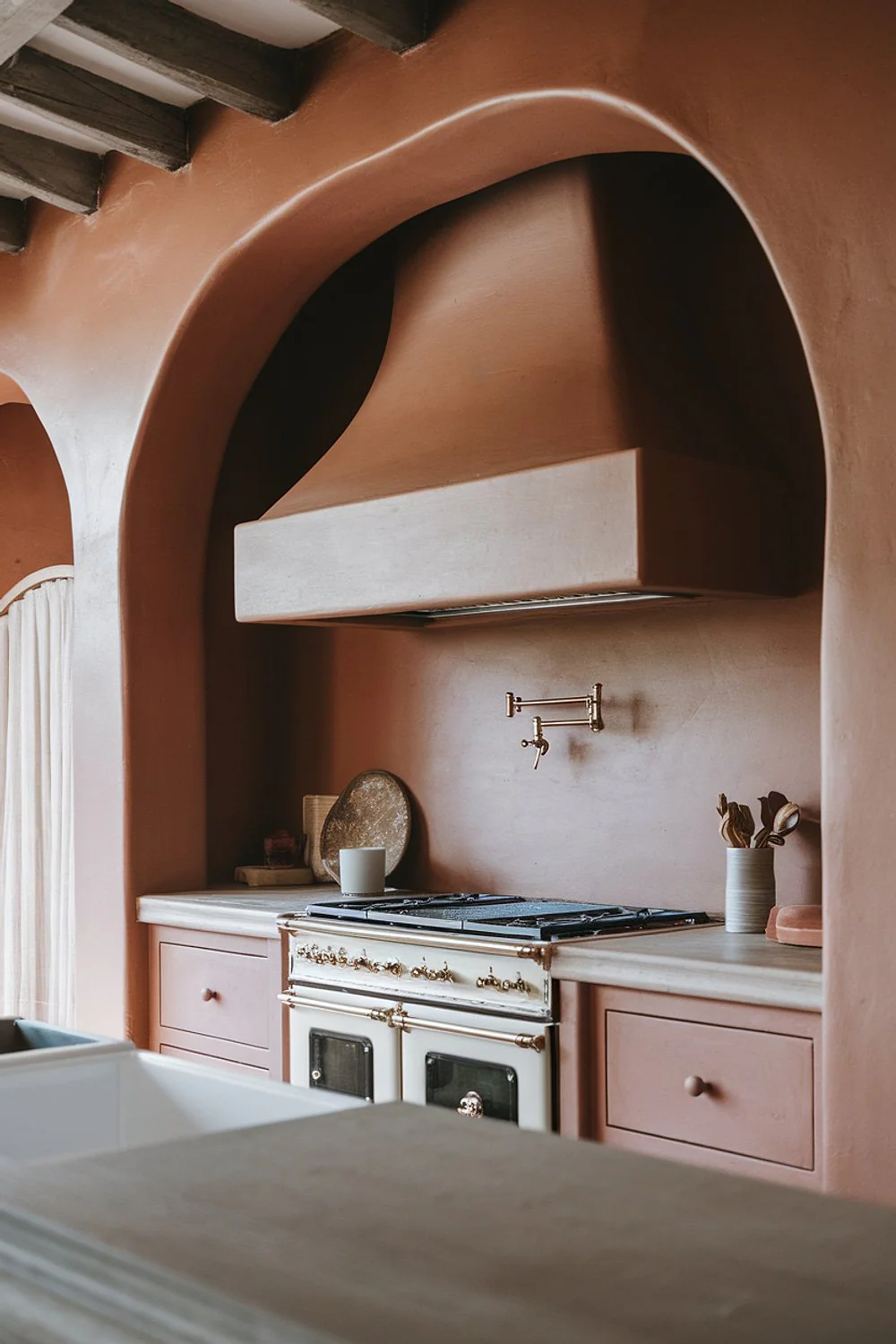
A hood in lime plaster or tadelakt should match the range width, 36 inches for a 36-inch range, or sit about 3 inches wider per side. The soft curves are why it photographs well and ages well.
Mount the bottom edge 24 to 30 inches above the cooktop, depending on the manufacturer’s spec. Sealed plaster wipes clean. Unsealed plaster drinks grease, and resealing every few years is the real upkeep.
13. A linen Roman shade in natural flax
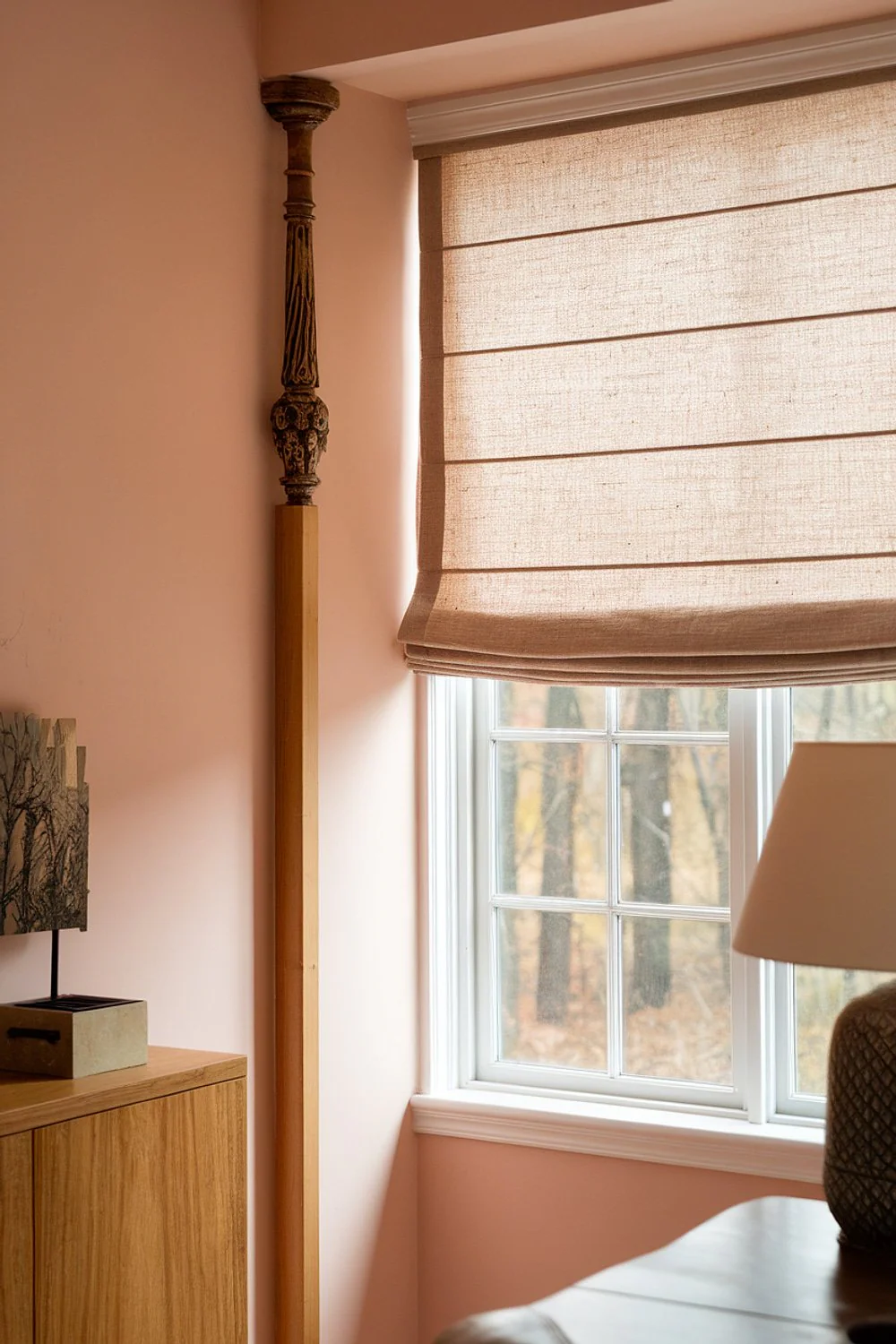
A flax shade filters low afternoon sun into a pale gold instead of a glare. Mount it 3 inches above the window frame so the fabric clears the glass when raised.
It suits west-facing kitchens that get hot light at 4pm. Near a sink, choose a cordless style and expect to spot-clean splashes, because linen water-marks and dry cleaning is the only full reset.
The pieces that changed everything
Organic modern kitchen decor rewards a simple sorting rule: spend where replacement means demolition, and play where replacement means a Saturday. The expensive, hard-to-swap pieces should be the quiet ones.
- Spend: sink, counters, faucet, cabinet boxes, range hood.
- Mid-range: pendants, stools, tile, runners.
- Play: vases, bowls, shades, shelf styling, anything under $50.
Fads tend to be loud versions of good ideas: fluted everything, bouclé stools in a kitchen, glossy colored grout. A bouclé seat sounds soft, but it catches every splash.
The comparison to weigh is gradual layering against an instant makeover. Layering costs less per month and lets the room settle. A one-weekend overhaul tends to date faster because every choice came from the same moment.
Updating classics without losing them: a before and after
Picture a builder-grade kitchen. Glossy white thermofoil doors, chrome bar pulls, a fluorescent box on the ceiling, laminate counters, and beige 4-inch tile. Thermofoil ages like a shoebox lid left on a radiator, curling at the edges within a decade.
The after keeps the layout and swaps the surfaces. Doors become flat-front white oak or a painted slab in a clay neutral. Pulls become 6-inch unlacquered brass bars. Counters become honed soapstone, and the fluorescent box gives way to two rattan pendants and warm 2700K under-cabinet strips.
A few weeks into a project like this, the tile has arrived but the grout hasn’t, and the room looks worse before it looks better. That’s normal. The order that works: paint, then counters, then tile, then fixtures, then the soft goods last.
Pitfalls to sidestep
Most regrets in a makeover like this come from a short list of repeat mistakes. Catch them early and the result holds for decades.
- Order tile and counter samples together, and view them at 4pm, not under showroom spotlights.
- Keep one wood tone dominant, with a second at most. Three competing oaks, walnuts, and teaks look accidental.
- Match metals loosely. Brass faucet, black pulls, and iron pendants can coexist if each repeats once.
- Test wall paint beside the actual cabinet color, since greige shifts against wood.
- Leave about one-third of every shelf and counter empty. Negative space is the finish.
Closing thoughts on organic modern kitchen decor
Organic modern kitchen decor pays off when each material is chosen for how it ages and how it cleans, not how it photographs on day one. Start with the pieces that are hard to replace, and let the cheap ones change with seasons.
Save or pin this list so it’s handy when the planning starts. Then try one idea first: measure the wall for a 48-inch oak shelf, or hold a greige swatch against your cabinets at 4pm before buying anything.
Frequently asked questions
What colors work best for organic modern kitchen decor?
Stay with oatmeal, clay, sand, mushroom, and soft white, then add one dark note such as charcoal soapstone or black iron. Undertones matter more than the name, so test swatches in your own light.
Can I use organic modern kitchen decor in a rental?
Yes, with the removable pieces: a flatweave runner, rattan pendant shades that clip over existing fixtures, stools, baskets, vases, and a linen shade on a tension rod. Skip anything that needs drilling into tile or replacing plumbing.
How do I keep open shelves and wood from getting greasy?
Hang shelves well away from the range and wipe them monthly with a damp cloth and mild soap. Finish raw wood with a food-safe oil or hardwax so spills bead instead of soaking in.
Does an organic modern kitchen work in a small room?
It works well, because the style relies on fewer, simpler pieces. Use a 30-inch sink, pale walls, one oak shelf, and keep the floor clear. Organic modern kitchen decor in a small room should feel edited, not stuffed.



3 Comments